





Materiality Analysis
GRI 3-1, 3-2
Double Materiality is a fundamental concept in the field of sustainability and corporate responsibility.
At KUO, embracing double Materiality has given us a more comprehensive and balanced view of the risks and opportunities for the Company. Integrating ESG considerations into our strategy and operations increases our resilience, enables us to innovate in products and services, and strengthens our competitiveness in the market.
By studying materiality, we were able to identify and prioritize the issues that are most relevant to KUO from two points of view:
1. From the actual and potential impacts we may have on our stakeholders (Impact Materiality).
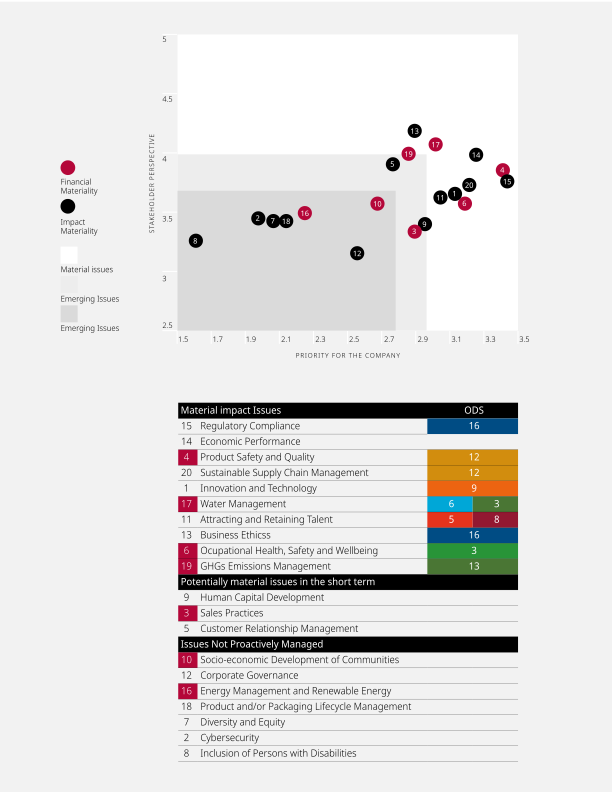
2. From risks or opportunities that ESG issues may represent in our financial results (Financial Materiality). KUO’s Materiality Matrix is based on a total of 20 topics, classified into different categories according to their relevance and impact:
By studying materiality, we were able to identify and prioritize the issues that are most relevant to KUO from two points of view:
1. From the actual and potential impacts we may have on our stakeholders (Impact Materiality).
2. From risks or opportunities that ESG issues may represent in our financial results (Financial Materiality). KUO’s Materiality Matrix is based on a total of 20 topics, classified into different categories according to their relevance and impact:
Methodology
To identify potentially relevant issues, we created a materiality matrix for each of our businesses. We carried out an exhaustive analysis of the main risks and opportunities in the sectors in which we operate. The issues were then prioritized by the main stakeholders through a consultation process, as well as by the company's management to ascertain the internal perspective on the issues evaluated.
Additionally, for financial materiality, we consider the recommendations offered by the sector standards of the Sustainability Accounting Standards Board (SASB), now part of the IFRS Foundation. By considering both perspectives, we can develop an integrated materiality matrix for each business.
For KUO, materiality analysis consisted of four steps:
1. Identification of potentially relevant issues through a context analysis by sector.
2. Assigning a weighting to each sector, depending on the percentage it represents of annual revenues.
3. Consideration of the weighted results of each materiality by business.
4. Creation of the “x” and “y” axes of KUO's materiality with the results obtained.
KUO's Materiality Matrix is based on a total of 20 topics, classified into different categories according to their relevance and impact:
To identify potentially relevant issues, we created a materiality matrix for each of our businesses. We carried out an exhaustive analysis of the main risks and opportunities in the sectors in which we operate. The issues were then prioritized by the main stakeholders through a consultation process, as well as by the company's management to ascertain the internal perspective on the issues evaluated.
Additionally, for financial materiality, we consider the recommendations offered by the sector standards of the Sustainability Accounting Standards Board (SASB), now part of the IFRS Foundation. By considering both perspectives, we can develop an integrated materiality matrix for each business.
For KUO, materiality analysis consisted of four steps:
1. Identification of potentially relevant issues through a context analysis by sector.
2. Assigning a weighting to each sector, depending on the percentage it represents of annual revenues.
3. Consideration of the weighted results of each materiality by business.
4. Creation of the “x” and “y” axes of KUO's materiality with the results obtained.
KUO's Materiality Matrix is based on a total of 20 topics, classified into different categories according to their relevance and impact:
Double Materiality
Financial Materiality
Materiality of Impact
Potentially Material Topics
Correspondence with SDGs
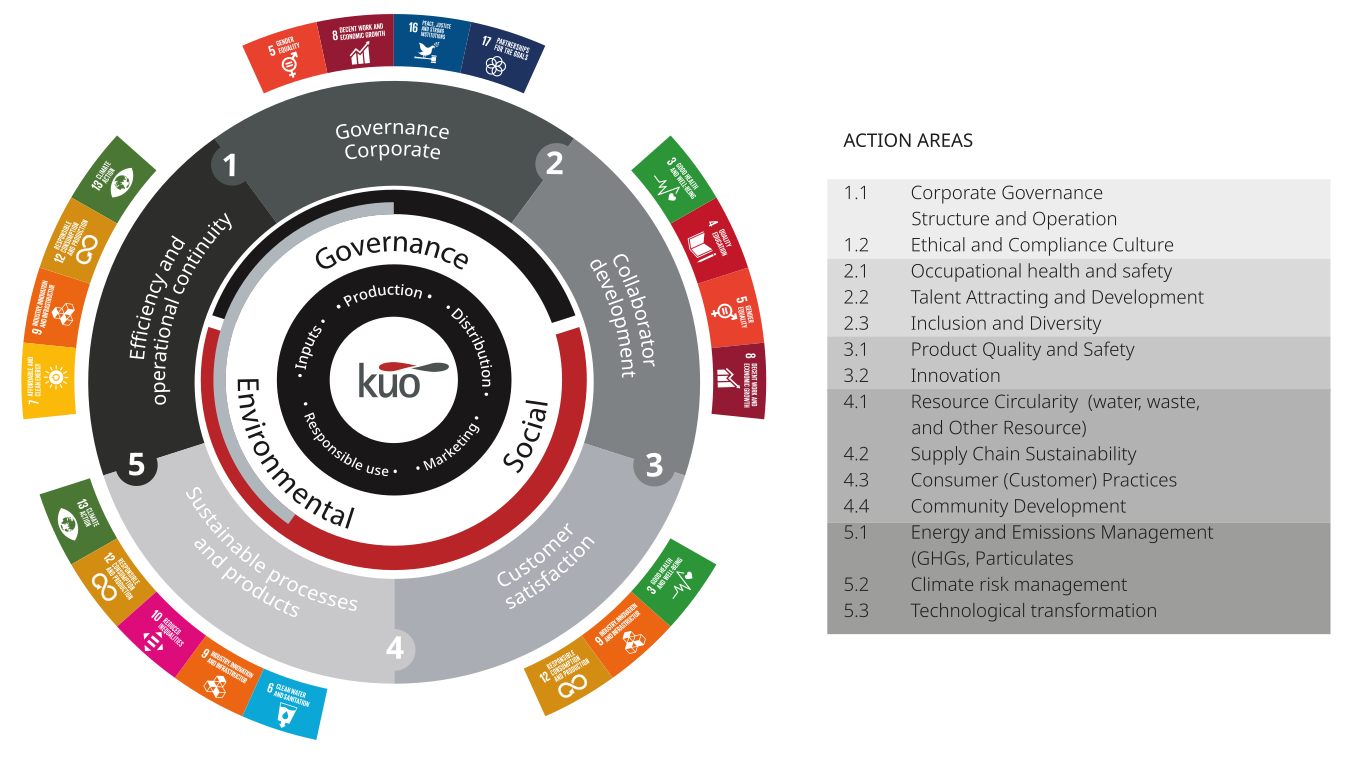
Each of our two material themes (impact and financial) has a relationship to the UN Sustainable Development Goals (SDGs); they correspond to the relationship we have at KUO with our environment and the contribution to the 2030 Agenda.