


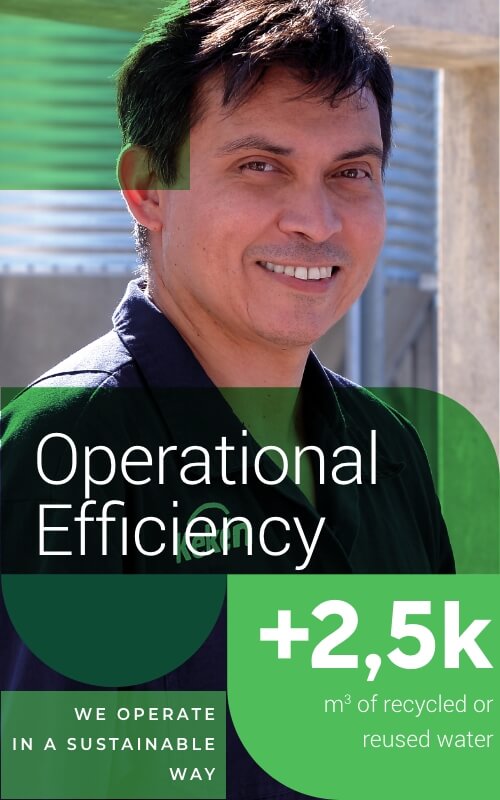
Operational efficiency is a fundamental part of the sustainability strategy and relevant to all stakeholders
Operational efficiency is a fundamental part of our sustainability strategy and is relevant for all our stakeholders. For its management, we have the Sustainability Model, the DESC Code of Conduct and the Environmental and Social Responsibility Policies, regulations under which all the Group’s businesses operate.
In the same vein, the Environmental Policy is the basis for compliance in obtaining permits and authorizations to which each of the operations are subject, as well as the responsible management of water consumption, reuse and discharge, electrical and thermal energy consumption, and the generation of greenhouse gas (GHG) emissions, which we verify through an accredited and approved GHG Verification/Validation Certification Body. We also manage the reuse of waste generated in accordance with regulations and circular economy initiatives. Finally, with the support of the central negotiations area and the purchasing area of each business, the selection of suppliers and service providers is carried out in which compliance and operation under environmental legislation is considered.
With respect to the evaluation of operational efficiency, this is done through performance indicators generated in each business, which are based on measurements, parameters and consumption statistics that are concentrated to generate values and comparisons that allow us to evaluate improvements in processes and required investments.
Operational efficiency is managed through the integration of several programs and aligned with applicable legal requirements in the following areas: biosafety, responsible use of materials and resources, product quality, efficient processes, and employee safety.
In the first place, the company complies with legislation in line with its business operations, and there are several continuous improvement programs that guarantee efficient management. Through these programs oriented to business objectives, activity schedules are established linking all the necessary areas of the organization, as well as the resources required and efficient supervision to achieve the objectives.
There is a structured administration with a functional organization chart, which allows us to address the various aspects involved in operational efficiency, responding in a timely manner to the needs of various stakeholders.
There are various continuous improvement programs that guarantee efficient management

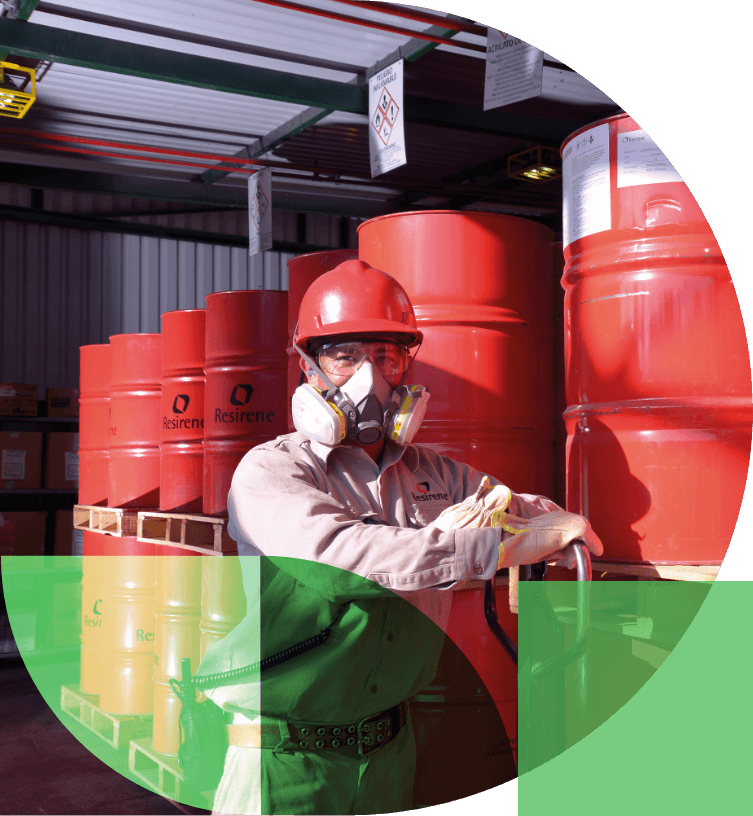
We ensure operational efficiency through activities carried out for continuous improvement, included in the Operations Policy. This allows us to achieve high standards in productivity, maintaining competence and profitability, with sustainable actions.
This policy allows flexibility in operations, so that we can adapt to the needs of our customers, as well as changes in the social and regulatory environments, while maintaining our quality standards. Likewise, we promote actions to optimize resource consumption, quality and productivity improvements that add to the sustainability of the business
In this sense, we seek to create and maintain a synergy among the businesses in the sector, to share best practices and innovation in processes, always aligned to continuous improvement.
Operational efficiency drives the sum of the efforts of collaborators, technology, and processes to achieve the objectives of value creation, productivity, and continuous improvement, as well as assertive decision making.
All operations are carried out under the applicable legal compliance standards, in addition to integrating the needs and expectations of customers, the use of high-quality supplies and the responsible use of resources.
As a result of saving measures and best practices in production plants and farms, in 2021 we achieved a reduction in consumption compared to the previous year. It is important to note that all water management, both in terms of use and discharge, is approved and monitored by CONAGUA1. The inspection by the competent environmental authority guarantees that we are not affecting access to water as a shared resource with our stakeholders.
The most intensive consumption process relates to pig farms, for which we have implemented savings and consumption reduction programs, as well as technological tests and projects to recycle and reuse water, which will be optimized through annual reduction projects, in the search for a minimum discharge and with the long-term goal of reaching zero discharge.
Regarding the management of effluents generated at farms, processing plants, and feed mills, water is discharged in compliance with current regulations2 established by CONAGUA without affecting bodies of water (such as rivers or lagoons); water treatment systems and plants are designed according to the type of discharge authorized by CONAGUA and the respective process.
The main initiative is the zero-discharge program, which is constantly evolving, and the work policies governing water management are based on full compliance with current regulations.
In terms of regulatory compliance, all processes of the consumption sector’s operations are working in accordance with current water regulations, and there are no risks in terms of permits, standards, or regulations.

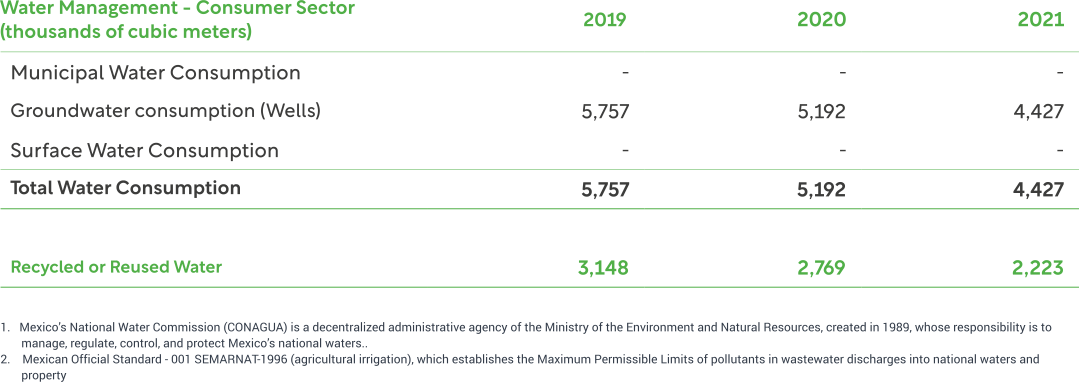
2,223K
M3of recycled water or reused in the consumer sector
The Synthetic Rubber Business incorporates in its strategic lines the reduction of water consumption as one of the main concepts in the Sustainability area, due to the fact that the risks associated with water management are related to the possible lack of this natural resource in the future at a global level and in the short and medium term during limited periods of time.
Among the initiatives executed is the implementationof water reuse facilities in the two Synthetic Rubber plants located in Mexico. Likewise, in all plants, studies are being carried out to search for alternatives to reduce consumption and increase reuse.
With respect to water discharge, the minimum management criterion follows the regulatory discharge limits applicable to each plant. In addition to this criteria, discharge-related objectives are defined annually to reduce the impact.
The efficient use of natural resources is part of the Group’s Sustainability Policy, which includes the reduction of water consumption as a medium-term objective in the strategy. Consequently, all operating centers include actions for the annual Environmental Objectives and Actions Plans, through the reuse of water for steam generation in boilers. In this regard, we have permits for water use and effluent discharge, previously analyzed as required by law.
We are reusing much of the treated wastewater for irrigation in green areas and working to increase the efficiency of the biological treatment plant in order to improve the quality of the water discharged and comply with new water regulations, as well as contribute to the water quality of the Atoyac River and the particular discharge parameters in accordance with its declaration.
As a result, we are addressing these regulations by making improvements to our wastewater treatment systems.
The increase in water consumption in this Sector is mainly due to equipment maintenance activities, plant start-ups, as well as variations in production due to the COVID-19 pandemic.
The Polymers Business has implemented equipment with higher efficiency, as well as the development of projects to reduce water consumption.

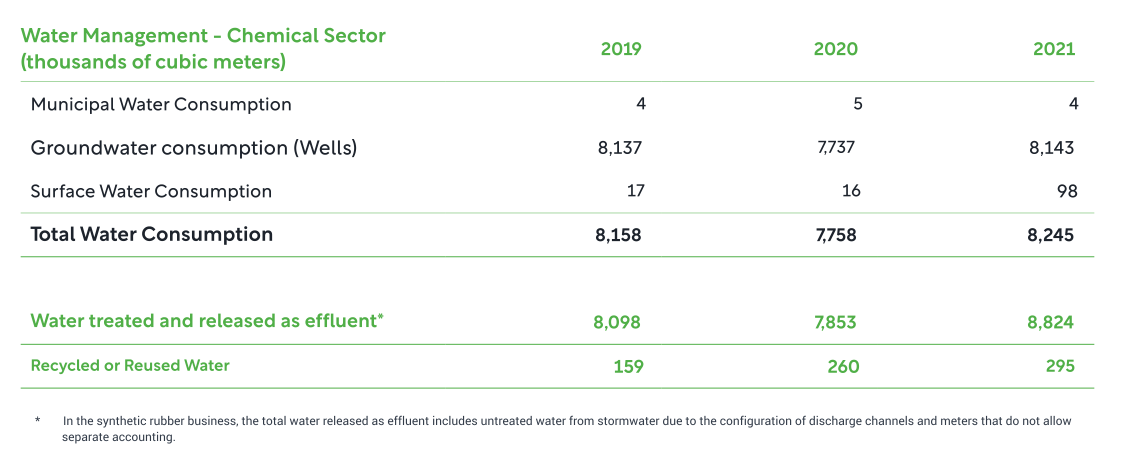
295K
M3 of recycled water or reused in the chemical sector
Water consumption is managed through daily monitoring of consumption and reuse to determine the necessary actions to improve our performance. All wastewater is processed at the Wastewater Treatment Plant and, with authorization from CONAGUA, is reused to irrigate green areas. Prior to reuse, we conduct sampling and laboratory analysis to ensure quality in accordance with NOM-001-SEMARNAT1. Wastewater discharge management includes the pretreatment of effluents through an internal wastewater treatment plant, complying with the analysis of quality parameters in accordance with the applicable regulations for national and municipal assets.
Specifically, in the brakes plant, we noticed a reduction in consumption as a result of campaigns on the care and use of water and the change of products for cleaning employees in the processes. At the rest of the facilities, we implemented water savers and a corrective maintenance program for the hydraulic lines. It is also important to mention that there was an increase in water consumption in some facilities because of the implementation of protocols against COVID-19.
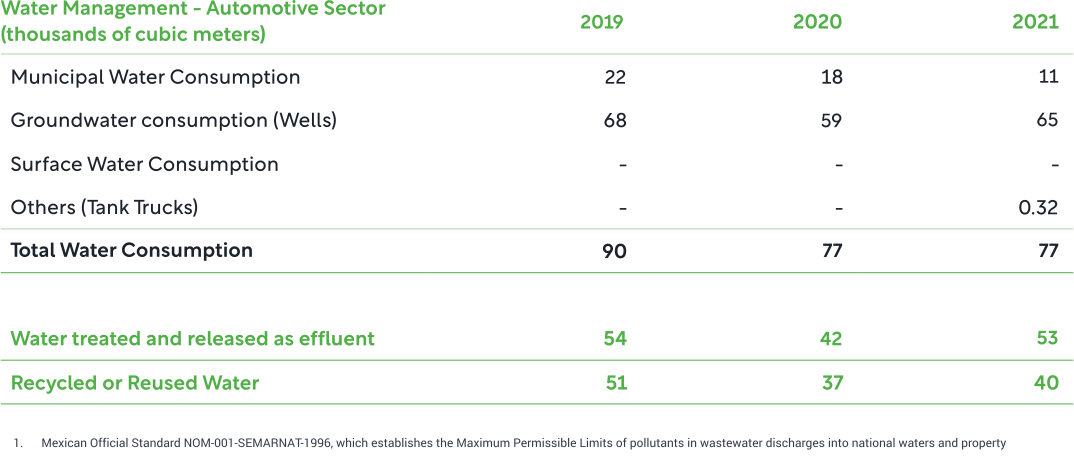
40K
M3 of recycled water or reused in the automotive sector


+99K
Ton co2eq in reduction of emissions
The main initiatives to reduce energy consumption and greenhouse gas (GHG) emissions are the implementation of biodigesters for wastewater treatment on farms combined with the generation of clean electricity using biogas as fuel and the installation of photovoltaic panels in stores.
Future strategies include increasing the use of photovoltaic panels to generate energy and reduce GHG emissions. The company also has 931 hectares of conservation area and 13,000 additional hectares of land in a natural state, which serve as natural carbon sinks.
3,168
Mwh ff clean energy generated on farms

It is important to mention that all the farms’ biodigesters operated throughout the year, and to increase their efficiency, a constant maintenance plan for the mixers is being followed.


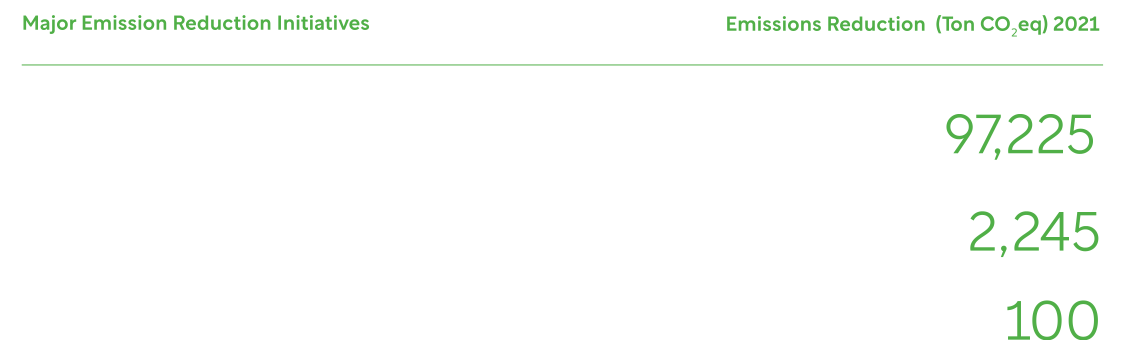
Among the main actions implemented in this Sector to reduce energy consumption we can mention the improvements in energy and steam consumption associated with the operation, the replacement of substances with alternatives that generate fewer emissions contributing to global warming or atmospheric pollution, the energy leakage reduction program, and our agreement with Iberdrola for the supply of clean energy.
98,084
Mwh of electrical clean energy in the chemical industry


Since 2018, we have been working on initiatives to reduce energy consumption by varying process conditions, such as reducing the operating temperature of various equipment, increasing the concentration of solids in reactions, condensate recovery, etc.
ERegarding the main initiatives carried out to manage energy consumption and emissions generation, we can mention the implementation of spaces with natural light that reduce the need for lighting, the campaigns to disseminate the use and care of electric energy, the change of light sources to LED and the reduction of CO2 levels due to the emission of gases in fluorescent piping.
59,250
Mwh of electrical clean energy in the automotive industry




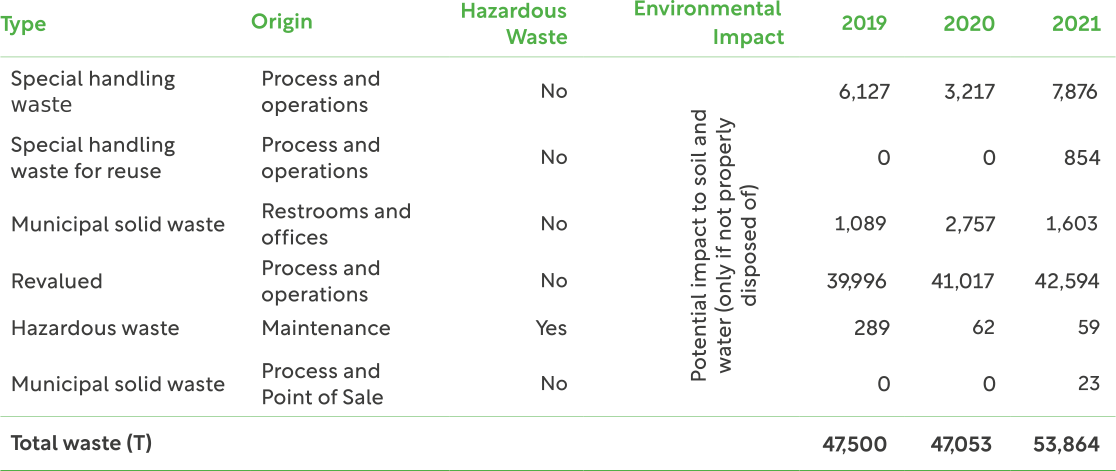
Regarding solid waste, we generate biosolids on farms, which are intended for agricultural producers with use permits approved by the respective authorities. In addition, we manage special handling waste under the circular economy program. Non-recyclable waste is disposed in accordance with the law, according to its classification.
+850T
of organic fertilizer donated to farmers and nurseries
Both the reduction of waste and the use of packaging are treated in a particular way in each operation, according to the possibilities of the process. We have optimized processes for the efficient packaging of final products and a laboratory that validates the raw material before it is used, ensuring the quality and integrity of the packaging.
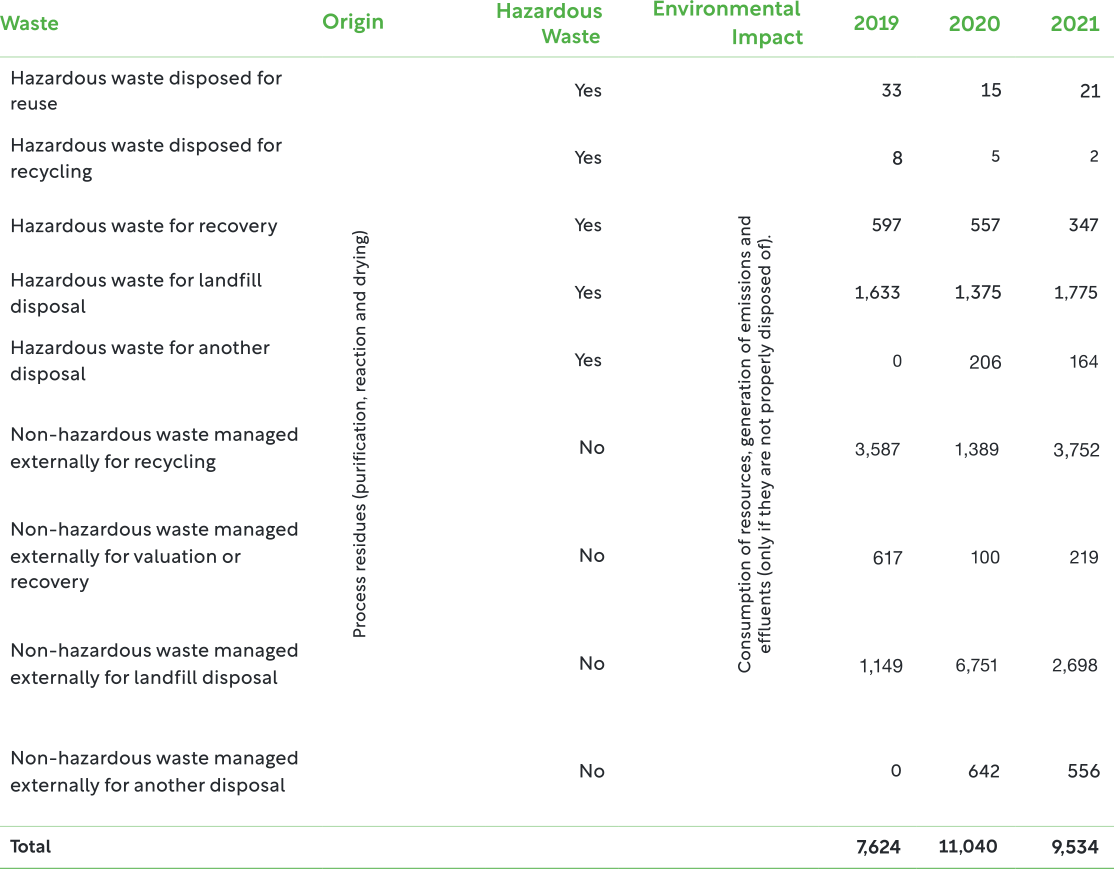
It is important to highlight the importance of the sector in the reuse of “big bags1" as well as the maximum possible filling of the same, with actions for efficient use in addition to the use of the minimum possible material for the composition of the packaging.
1. Big bags, also known as FIBCs (Flexible Intermediate Bulk Containers), are waste containers that store, hold and transport both bulk products and waste for disposal.
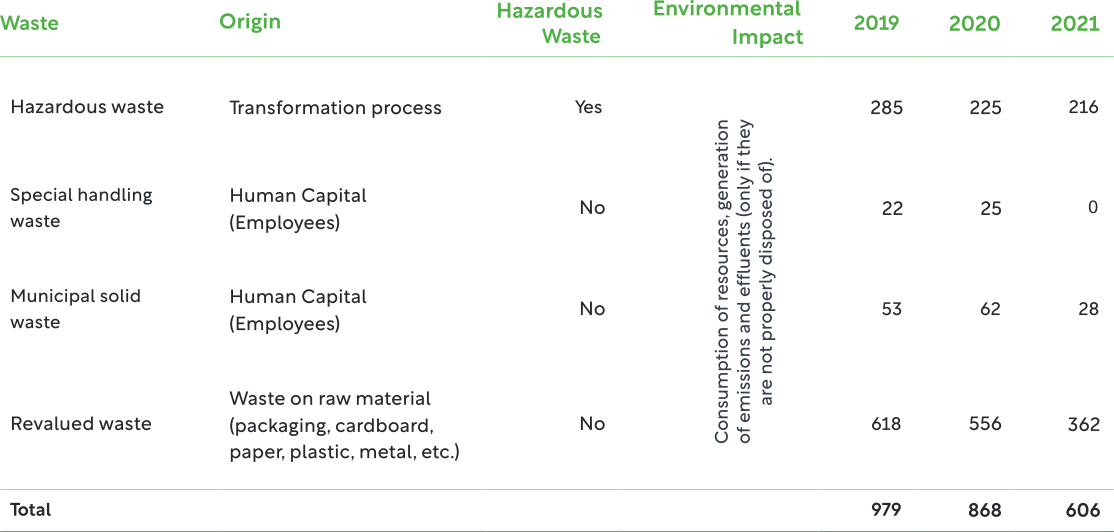
The Environment and Sustainability Policies define the principles for the efficient use of supplies or materials, as well as the reduced generation of waste, which are disposed of in accordance with applicable legislation. In addition to the above, we have the RESI - RECICLA program, through which we raise awareness and provide information on the correct separation and management of waste for recycling within our operations and in nearby locations.
-15%
waste in the chemical sector
We have areas for the temporary storage of waste generated in all areas of the unit for subsequent reuse or disposal. This allows us to safely segregate waste that can be used in other internal or external processes.
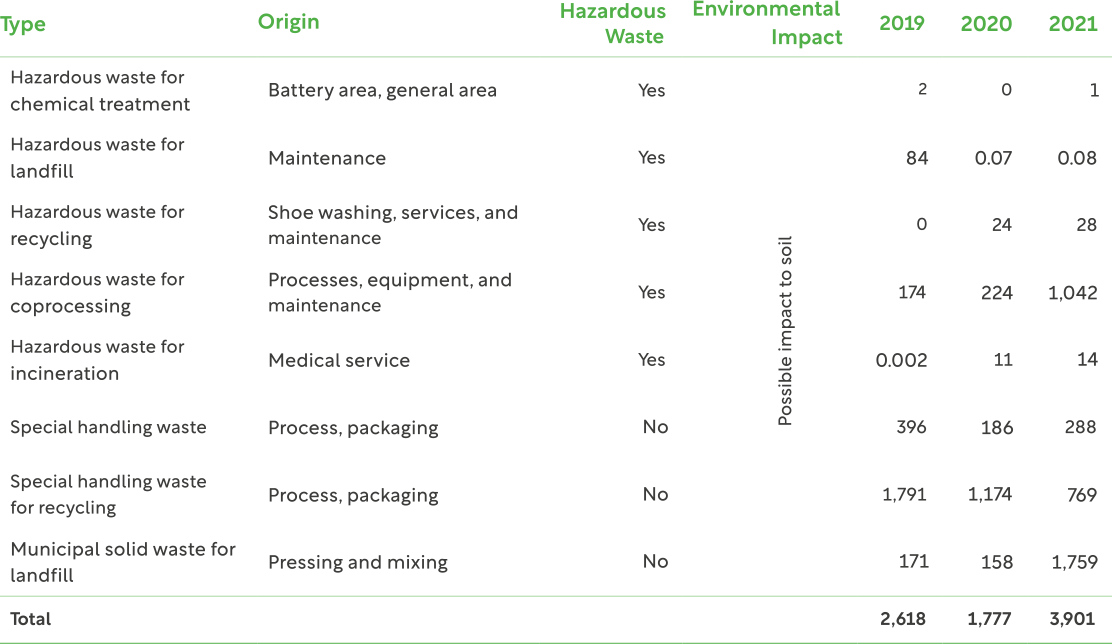
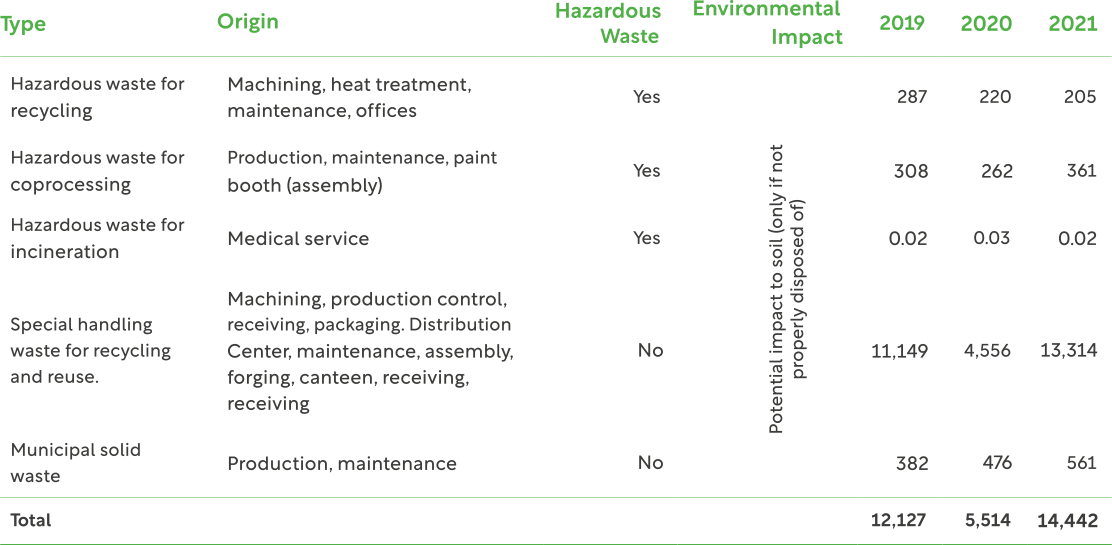
During 2021, as part of the Sustainable Development Goals of the 2030 Agenda, Kekén Conservation Area Committee continued, which is made up of 800 hectares located on the periphery of one of the pig farms complexes in the municipality of Maxcanú, Yucatán. This area is part of what Grupo KUO constituted in 2016 as a permanent restriction to allocate this surface area solely for preservation and ecological research purposes and which are added to the hectares destined as a sanitary belt for the pig farms.
This Natural Conservation Area has been functioning for four years as a facilitator for the participation of local authorities and academics to conduct studies on biodiversity.