




100%
Of product and service categories most significant were evaluated in Health and security
During the year, 100% of the most significant product and service categories were evaluated for health and safety impacts, based on the systems explained below. Furthermore, no product had to be recalled from the market due to suspicion or certainty of violation of food laws or quality standards.
Quality
Consumer Sector
For the Pork Meat business, it is a priority to ensure the quality and food safety and safety of the final products that go to market, therefore, we carry out the entire production process, from genetics, to processing and final distribution, in strict compliance with national and international regulations.
Food safety is directly related to consumer health, which is why it is governed by global standards and certifications. These certifications allow us to continuously improve our management systems to ensure the quality attributes of all our products, thus generating confidence and satisfying the needs of customers and consumers.
Due to greater access to information about health, food and various areas related to sustainability, consumers have become more selective, choosing food from recognized supply chains with certifications that guarantee safety and nutritional quality.
In reference to the impacts of the Consumer sector, being perishable products, very strict controls are required to achieve a longer shelf life, being one of the main factors the Safeguarding of the cold chain in the production process, storage, distribution, and delivery to the final consumer. In this sense, our processes are governed by regulations and standards, which are subject to continuous verifications or audits.
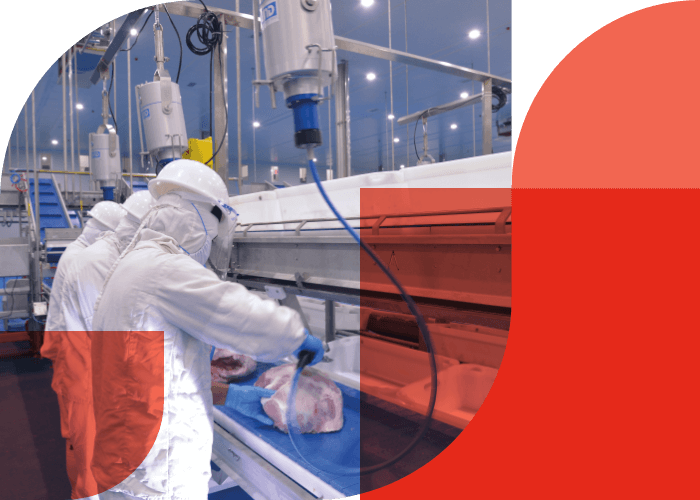
Among the policies, programs and processes used to manage the control, quality, and safety of the products we have:
● Safety management system based on GFSI approved standards such as FSSC22000 in our Umán and Irapuato plants (currently in process in the new Sahé plant). In addition, three basic programs have been implemented in the three plants: HACCP (Hazard Analysis and Critical Control Points), Food Defense Plan and Food Fraud Plan.
● Hygiene and safety prerequisite programs: at all three plants we have implemented hygiene procedures based on the ISO TS 22002-1 standard and on the prerequisites established by the authorities through official Mexican standards such as NOM-008-ZOO, NOM-009-ZOO, NOM-194-SSA1, among others.
● Quality control plans: each process has established quality, safety, and regulatory control points that must be monitored and verified with an established frequency according to the level of risk and impact on the process or product.
● Microbiology programs for products, surfaces, and the environmen: each plant performs analyses of indicator and pathogenic microorganisms to verify that processes are kept under control. The analyses established in the standards applicable to the industry are performed, as well as additional analyses to ensure compliance with customer requirements and continuous improvement.
● Quality and Safety Policy supported by Kekén’s Senior Management.
● Processes of constant audits and verifications by federal and state government authorities, annual FSSC22000 recertification audits, audits by domestic and foreign customers, as well as a robust internal audit plan.
It is important to highlight the areas in charge of evaluating the effectiveness of product control, quality, and safety management:
Quality Assurance Department
Regulatory Staff
HACCP Team
Internal Audit Team
Veterinarian Staff
Responsible for ensuring processes and products with high quality and safety standards, guaranteeing the permanent monitoring and verification of procedures and controls.
It is important to highlight the areas in charge of evaluating the effectiveness of product control, quality, and safety management:
Quality Assurance Department
Responsible for ensuring processes and products with high quality and safety standards, guaranteeing the permanent monitoring and verification of procedures and controls.
Regulatory Staff
At each plant, they ensure, through monthly verifications, that the processes remain aligned with the established procedures and current regulations to maintain the official approval of the national authority “Federal Inspection Type” (TIF) in compliance with national regulations, as well as to comply with the guidelines of the FSSC 22000 certification and maintain ongoing communication with the Official Veterinarian Medical Officers (MVZO) of the plants.
HACCP Team
On site at one of the plants, they are responsible for analyzing product safety risks in all processes and ensuring that the control measures derived from these analyses are implemented to prevent risks and verify compliance with them.
Internal Audit Team
Working in each of the plants, they are responsible for carrying out the internal audit of the management system in all processes.
Veterinarian Staff
Responsible for ensuring legal and regulatory compliance established by the government on product safety, as well as authorizing and certifying the release of products for export at each of the plants.
Quality and safety management impacts our employees, suppliers, and government in different ways.
Employees: We consider their safety when implementing changes, new standards, or processes.
Suppliers:Communication with them is key to ensure the quality and safety of the product, any change generated in the processes must be evaluated to ensure the establishment of the necessary controls to guarantee the quality of the products.
Government:We receive internal and external audits from government institutions. The management system also includes that we are prepared for a possible public or governmental crisis created by a supplier in relation to consumer health or animal rights.
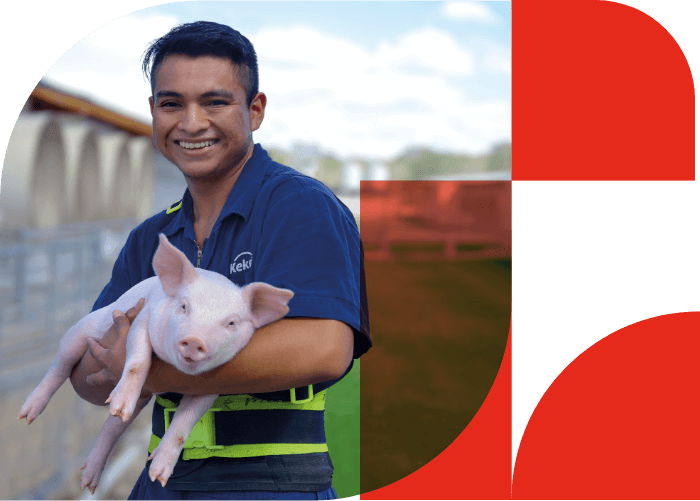
In 100% of the fattening production units we have the certification of Good Livestock Practices
Antibiotics Usage
All antibiotics used on the farm are for animal use only and are approved by the government’s animal health authority (SENASICA). Likewise, all pigs go to market without antibiotic residues because strict mandatory withdrawal procedures are applied with sufficient time for the animal to eliminate them completely. Additionally, the last 4 years we have been working on a program to gradually reduce the use of these drugs, achieving a 33% reduction by the end of 2021 compared to 2018, the start date of the plan.

Animal Welfare
All of our fattening production units have Good Animal Husbandry Practices certification granted by government authorities (SENASICA), which includes evaluation of animal welfare in terms of infrastructure and housing conditions, feed quality, free access to water for consumption, strict biosecurity measures to prevent the entry of diseases, and timely treatment of any health ailments.
Furthermore, starting in August, we began planning for Animal Welfare Certification, which is being implemented during 2022. This program corresponds to an external certification supported by Cloverleaf, an international company specialized in Animal Welfare, which will cover a complete evaluation of animal welfare, from farms to processing plants, with the aim of continuing to strengthen the commitment and culture of animal welfare that has been implemented in Kekén since its inception.
Ingredients, Additives and Preservatives
We have a solid approval process for the incorporation of ingredients, additives, and preservatives to our products, in which we check that the components are aligned with the regulations in force to add them to meat products and that they do not contain allergens.
In the case of marinated products, in which the use of allergens cannot be avoided, we guarantee that the consumer is informed of the content of the product through a list of ingredients on the packaging, in accordance with current regulations for the declaration of allergenic or sensitive ingredients. We have no products with genetically modified inputs.
In the development of value-added products, we include physicochemical and bromatological analysis with accredited laboratories, in accordance with Mexican regulation NOM-051-SCFI/SSA1/2010, including warning octagons.
Finally, in relation to the packaging material or ingredients that are in direct contact with the product, 53% of the suppliers are certified in some quality or food safety scheme based on international standards endorsed by the Global Food Safety Initiative (GFSI).
Quality
Chemical Sector
The quality and safety of products is a highly relevant issue for the sector, not only to maintain strict compliance with legislation in the different markets in which we participate, but also because of the demand for compliance with high safety standards, especially in supplying the medical and pharmaceutical industry.
In reference to the impacts of the chemical sector on the control, quality, and safety of our products, it is important to highlight the investment in infrastructure to maintain updated processes that ensure safe and quality products. Likewise, we have internal policies that go hand in hand with environmental compliance to prevent impacts to water, air, or soil.
We have standardized procedures and methodologies that ensure regulatory compliance, validated by ISO 9001 certification accreditation. We have established pest control programs, ensuring compliance with regulatory studies on emissions, water and waste quality declared in the annual operating report to SEMARNAT and CONAGUA.
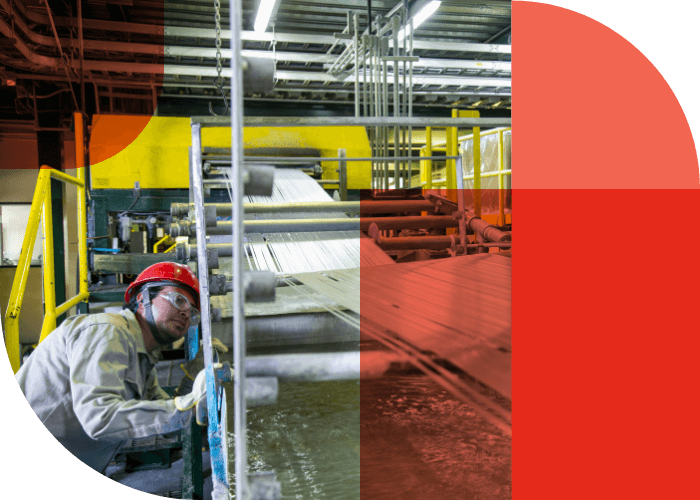
The evaluation of the effectiveness of product quality and safety management is carried out at three levels of auditing:
First Part Audits:
About quality, safety, hygiene, and environment, implementing actions for continuous improvement.
Second Part Audits:
We receive acknowledgements and recommendations from our customers.
Third Part Audits:
Maintaining ISO 9001 certification in force since 1994.
Hazardous Materials Management
Transformation processes are provided with equipment that reduces the residual content of potentially hazardous chemicals to below the maximum permitted levels. We also carry out annual studies, applicable in the regulations, on environmental care and the surveillance and monitoring of the health of personnel in contact with chemical substances. On the other hand, the handling and transportation of chemical substances is carried out using equipment designed for this purpose, and the personnel who handle them must use special protective equipment.
Quality
Automotive Sector
Our priority is to satisfy the quality needs of all our stakeholders, aligning our processes with international management system standards, while complying with legal requirements in terms of quality and the environment.
This has a positive impact on our reputation, increasing our competitiveness and strengthening our relationship with our customers in a positive way. This is reflected in the fulfillment of sales budgets, helping to reduce storage and manufacturing costs, quality variations and material consumption.
The relevant elements, in terms of product quality and safety, focus on the limitation or elimination of components that may be harmful to the health of the user or the personnel involved in production.
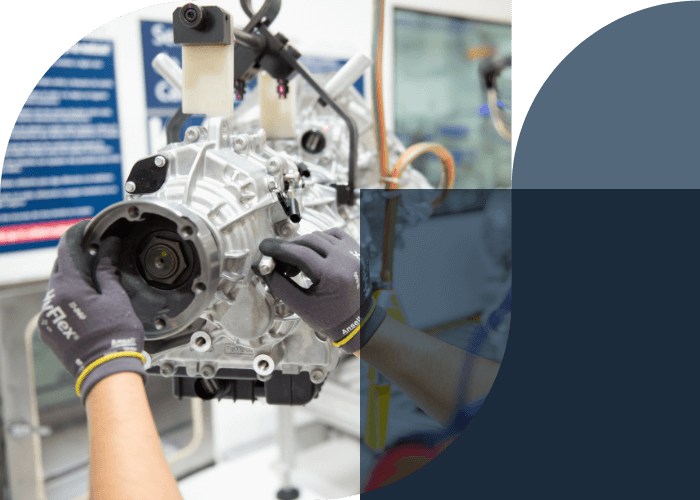
Among the policies and standards that allow us to adequately manage the quality and safety of our products are the following:
Transmissions:
Aftermarket:
Finally, our customers must comply with regulations such as NHSA (National Highway Safety Administration) and CAFE (Corporate Average Fuel Economy) in the United States, in turn customers set their requirements for the Transmissions Business.
Innovation
Innovation is a key element for the permanence and positioning of all the Group’s businesses. We currently have research centers that allow us to innovate both in the process and in the product, and we motivate our employees to have this state of mind, so that they can be constantly involved and propose new projects.
With the aim of correctly transmitting the concept of innovation, generating mechanisms for the creation of ideas, and evaluating their feasibility, the executive team attended training in Silicon Valley, where they incorporated tools such as Design Thinking, focused on innovating with the customer and their needs and expectations as a priority. In addition, it allows us to find and apply differentiators in our products versus the competition, which opens the possibility of accessing new markets and consolidating current ones.
Our strategic positioning in terms of innovation and sustainable development seeks to integrate the three aspects: economic, to guarantee the profitability of new products and the continuity of the business; social, through constant and active interaction with the immediate environment, which allows us to complement our technological capabilities and attract talent; and environmental, by ensuring projects with a positive impact.
We include environmental and safety considerations from product conception to marketing. We seek to contribute to the reduction of resource consumption (raw materials, energy, and water), the reduction of waste and emissions, a longer product life, the use of bio-based or recycled materials, and the use of safer and more sustainable chemicals, among others.
Throughout the year, new and diverse technologies were implemented, derived from the multiple alternatives available in the market, or from experimental work developed internally, as well as from technical updates in the different areas. Likewise, to evaluate effectiveness, we have an indicator that measures the return on investment in innovation, through revenues derived from new products and product improvements.
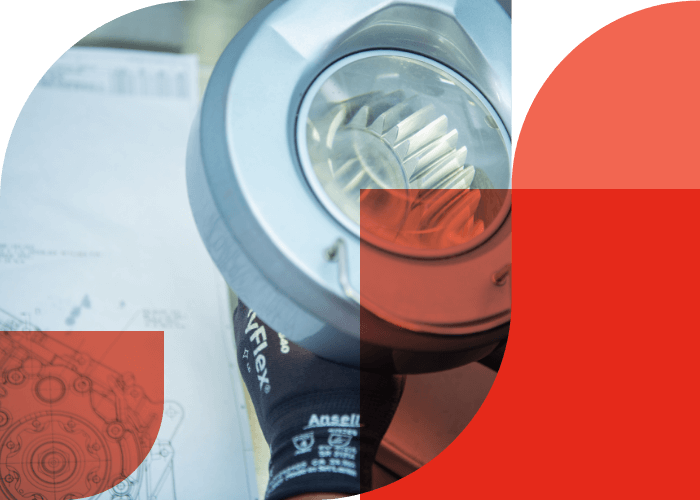
We seek to maintain a synergy between the businesses in the sector, to share best practices
During 2021, the Group’s investment in Product Research and Development was more than MXN$1 billion, which was mainly allocated to the following projects:
Consumer Sector:
Chemical Sector:
Automotive Sector:
Responsible Marketing
In order to provide confidence and peace of mind to customers and consumers and in compliance with the regulations of the countries where we operate and market, we provide all the necessary information for them on the packaging and labels of our products.
We ensure that communication with customers is effective and at the same time promotes trust in our products. Likewise, from the marketing department and in different spaces, we seek to communicate to employees, business partners and distributors, values focused on caring for people, the community, and the environment.
Communication and marketing are aligned with policies and standards, such as: Corporate Standard for Institutional Relations, Standard for Patronage and Advertising Sponsorship Projects, Operating Procedure for External Communication and Institutional Relations, Customer Satisfaction Procedure, Complaints Policy, and Procedure, among others.
Communication with our customers and consumers also allows us to obtain feedback to improve products and processes. For this reason, we have several means to notify complaints or suggestions, which are given priority attention by our personnel. We measure the number of complaints on a weekly and monthly basis, we segment them based on the origin of the complaint or suggestion, and we keep track of each one on its treatment and final solution.
Likewise, as we have various contact channels such as websites, social networks, telephone service for home delivery and applications, we ensure the confidentiality of personal information through the Customer Data Privacy Policy, which is disclosed through the same points of contact. Finally, we have confidentiality agreements with customers and suppliers, which have specific guidelines on the information that can be shared with third parties.
During the period, we did not have any cases of non-compliance with regulations or voluntary codes related to product information and labeling in the sectors where we operate. In terms of marketing, we do not generate advertisements aimed at children. We have not incurred in any cases of non-compliance with regulations or voluntary codes related to marketing communications in the sectors in which we operate.
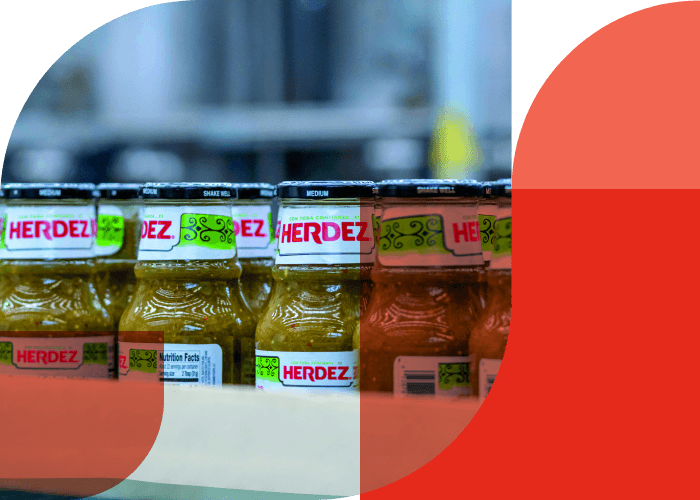
In the packaging
and labels of
our products we
provide all the
necessary information
Consumer Sector:
The labels and packaging of our products have a tracking code, product description, expiration date, preservation method, net weight, date, place of production, address, plant telephone number and assigned TIF number.
On the other hand, on the packaging of prepackaged products we show all the information aligned with NOM-051, including product description (ingredients, nutritional declaration, net content, preparation suggestions, expiration date), plant where the product was produced and the assigned TIF number, address, and telephone number of the production plant.
Chemical Sector:
The labeling provides information on the origin of the components of all the products of the polymers and chemicals division, except for emulsion rubbers, solution rubbers and chemical rubbers. Information is also provided on the contents that could have an environmental or social impact, their safe use, and the disposal procedure. All products are evaluated for compliance with labeling processes.