The Pork Meat business has established a Safety Management System, through which it strengthens its commitment to occupational health and safety, providing a healthy and safe environment for employees, ensuring legal compliance, eliminating, or minimizing risks and promoting the participation of all workers. The system is implemented through 21 interrelated elements, in which criteria are established to ensure the involvement of senior management, the competencies of all workforces, participation in preventive safety activities, health care, industrial hygiene, mechanical integrity, and change management, among others.
Each year, challenging objectives are defined to improve the safety and health culture and indicators; it also establishes minimum standards and requirements to ensure the identification, evaluation, and control of operational risks and to ensure legal compliance.
The effectiveness of occupational health and safety management is evaluated through internal audits and the monitoring of various indicators, which are monitored during the Operational, Tactical and Strategic Committees, with the participation of the employees. In order to reinforce these meetings, we also carry out training and safety rallies, which allow the implementation of a safety culture aimed at maintaining the integrity of the workforce.
In processing facilities, we adapted the Occupational Health and Safety Management System (OHSMS) to ensure compliance with ISO 45001:2018.
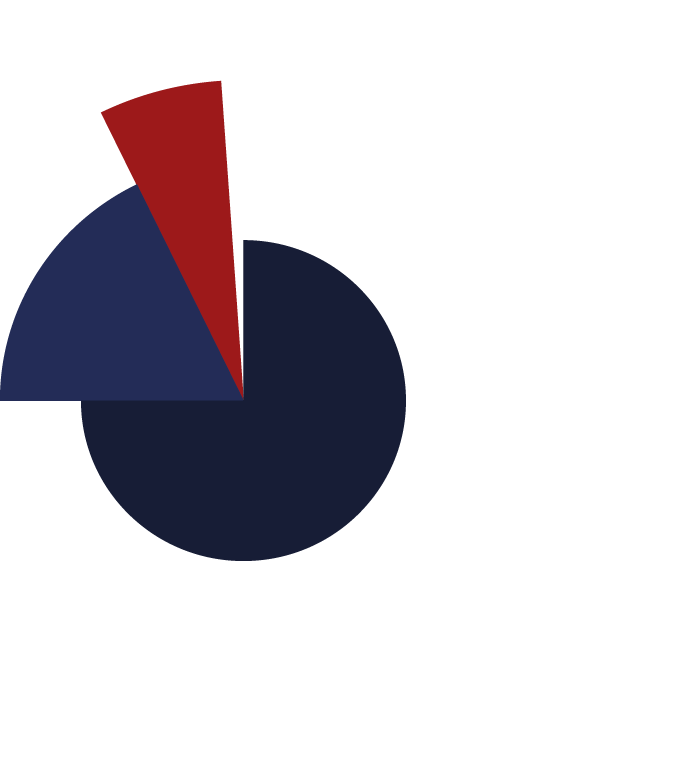
In 2022, there was a 7.5% decrease in the number of disabling injury accidents.
We have a procedure for the reporting, investigation and monitoring of incidents and accidents, which indicates that all incidents or accidents must be reported and establishes the steps to follow for the investigation and definition of permanent actions to address the root causes of the events and thus prevent recurrence. We have software for recording accidents, investigations, and action plans, which allows us to track in real time the status of actions until they are closed.
Through ISO 45001:2018, the Medical Service, in conjunction with a team, determines the hazards to which employees are exposed and which could cause injury or health deterioration; they also propose preventive measures and monitoring for the identified risks. The identification of risk factors includes, in addition to the occupational medical evaluation, the analysis of risk factor reports, and studies according to:
- Time of exposure to risk factors during the workday.
- Concentration and levels of contaminants in the environment, areas, and workstations.
- Physicochemical characteristics of contaminants.
- Occupational health and safety prevention measures identified in the health surveillance program for employees in previous years.
Once the hazards have been identified, medical examinations are determined by position, indicating the type of evaluation and frequency; and the information is recorded in the job profile by risk of exposure.
Preventive Health
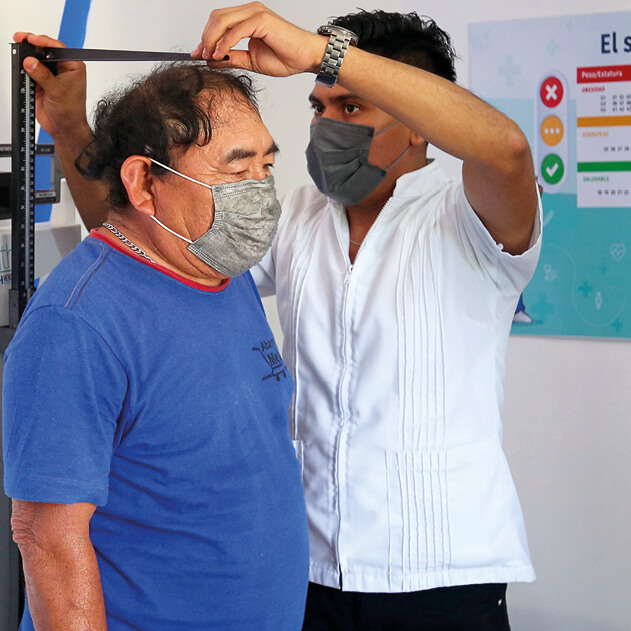
We have occupational health services contributing to the identification, prevention, and elimination of hazards, and to the minimization of risks.
These are classified as follows:
1. Promotion
2. Prevention
3. Surveillance
4. Assistance
5. Management
On the other hand, on an annual basis, the Medical Service, in coordination with Safety, prepares and implements occupational safety programs in accordance with the Master Occupational Health Plan, considering at least the following:
-
Industrial hygiene programs required by applicable regulations.
-
Epidemiological surveillance activities for work-related illnesses and absenteeism.
-
Medical examinations for selecting employees according to risk factors in the work environment.
-
Early detection campaigns for chronic degenerative diseases.
-
Wellness programs for health promotion and addiction prevention.
-
Occupational health training in accordance with risk factors and production processes.
-
Internal first aid brigade program.
-
Recording, analysis and evaluation of indicators of consultations and occupational illnesses.
-
Definition of objectives to improve the occupational health of employees.
Additionally, the Occupational Health area carries out frequent studies of its employees in relation to specific health problems, whether or not they are occupational diseases, accidents, or exposure to occupational risk factors.
EMPLOYEE ENGAGEMENT AND TRAINING
Participation and consultation of the employees is the basis of the Safety Management System. The activities in which the workforce participates are defined in the Administrative Participation standard, which establishes the preventive safety activities to be carried out by the employees depending on their job position. Similarly, the employees participate in risk analyses (ASTs) and accident investigations, as well as in labor surveys to determine the level of satisfaction on different issues, including the safety and health of the facility. In addition, our facilities have Safety and Hygiene Commissions, which conduct tours to identify substandard conditions and to ensure the corresponding improvement.
In the case of processing facilities, the Participation Plan and Consultation Plan define all the consultation and participation mechanisms, the frequency of execution, those responsible, evidence and indicators.
The safety courses given to the workforce include the Safety Induction, which provides the policy, an introduction to the Safety Management System, emergency response plans, use of fire extinguishers, main risks at the facilities, personal protective equipment, the Hazardous Work Permit System, procedures in the event of an accident, and the main accidents at the facility.
In order for the supervisors to be able to investigate their accidents properly, they are given the TASC accident investigation technique. Also, all middle managers are trained annually in the Administrative Participation Procedures and the use of safety software.
In the production area, all partners are given the "Behavior-based safety" course, both middle management and workforce.
In the case of Processors and in accordance with the ISO45001: 2018 standard, there is a training needs detection and an annual training program that establishes the minimum courses that the workforce must have depending on their job position and the annual schedule to meet the competencies defined for each of them.