Gestion ambiental
Environmental
Management
Gestion ambiental
At KUO, we manage our environmental performance through a preventive and continuous improvement approach aimed at strengthening operational efficiency and long-term sustainability.
Our environmental management is based on the responsible use of natural resources, the optimization of production processes, and compliance with applicable regulations. Within this framework, we promote initiatives for the proper management of water, energy, waste, and greenhouse gas emissions through the adoption of efficient technologies and the strengthening of internal capabilities.

This approach integrates environmental management into operational and strategic decision-making, strengthening business resilience, mitigating environmental risks, and supporting sustainable operational continuity.
Further details on our environmental indicators are available in the ESG Indicators Appendix.
Water Management
GRI 3-3, 303-1, 303-2
SASB FB-MP-140a.2, RT-CH-140a.3
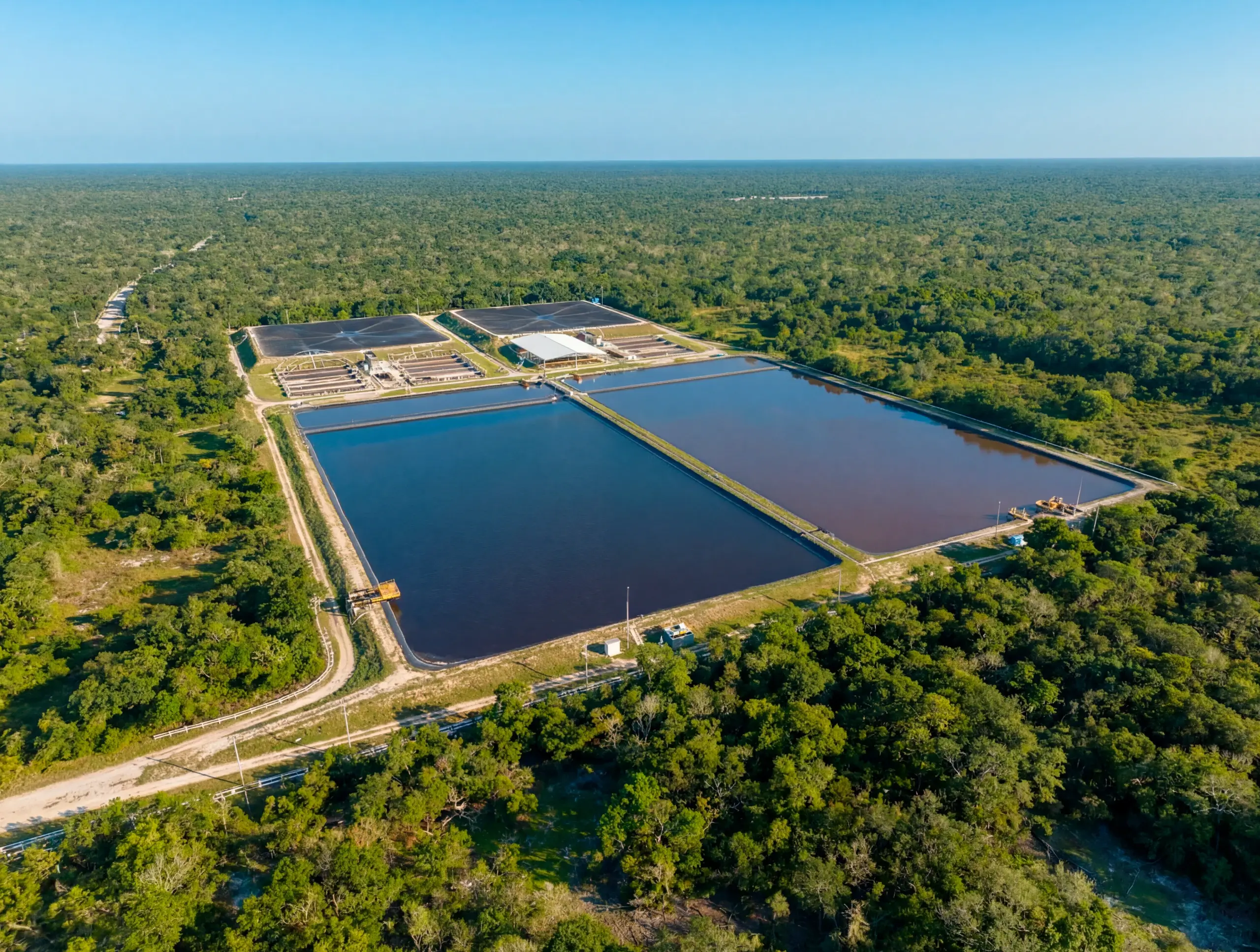
During 2025, we extracted 5,374 thousand cubic meters of water, representing a 2% decrease compared to 2024.
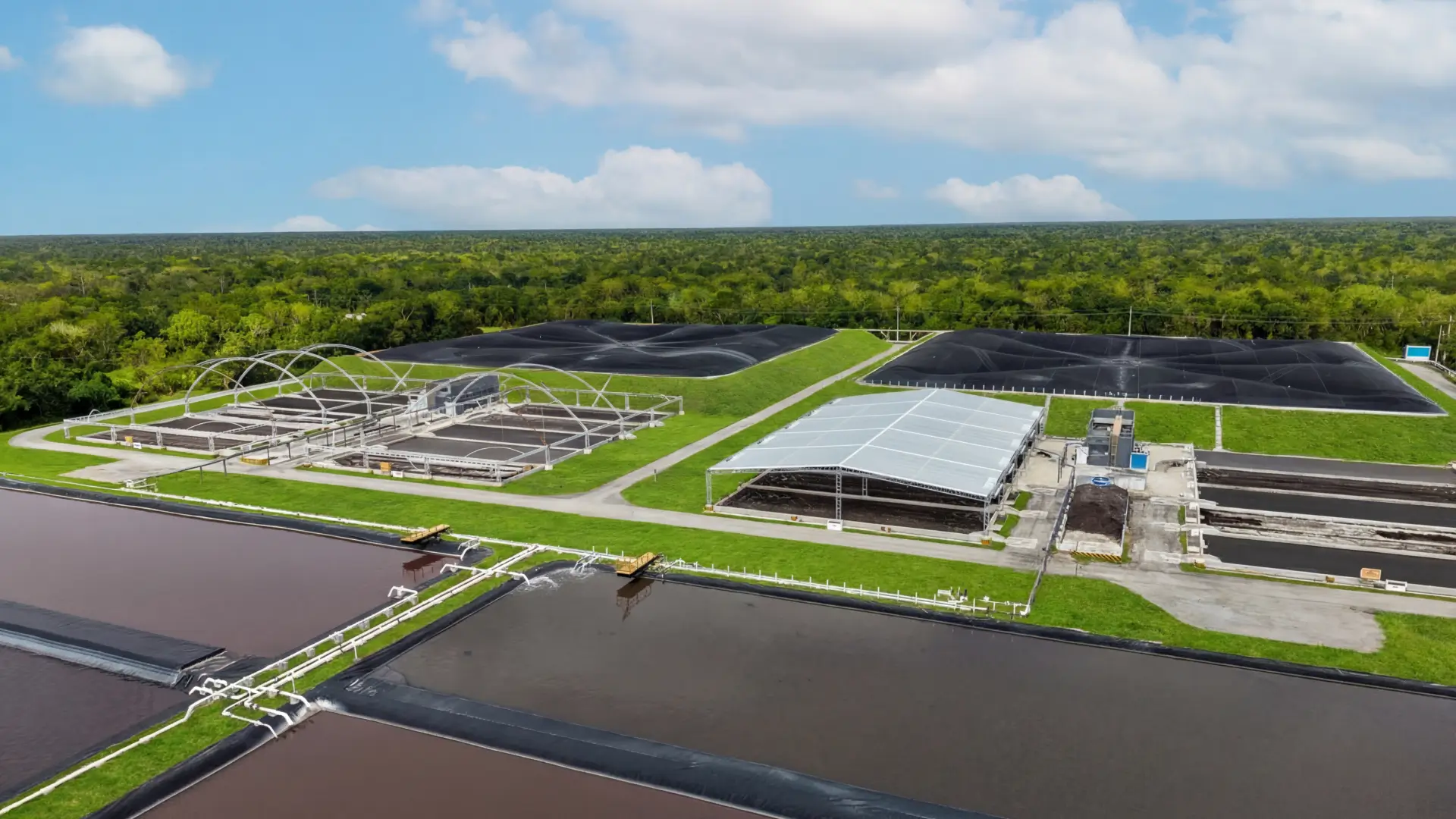
Water is a key resource for our operations; therefore, we adopt a responsible and efficient management approach. As part of our water strategy, we implement measures such as the reuse of treated water, recirculation within internal processes, and rainwater harvesting, with the aim of optimizing water use and reducing consumption.

We continuously monitor the quality of our discharges to ensure compliance with applicable regulatory limits. This effort is supported by internal audits and timely responses to inspections conducted by competent authorities, such as CONAGUA and PROFEPA, within a framework of institutional collaboration, transparency, and technical dialogue.

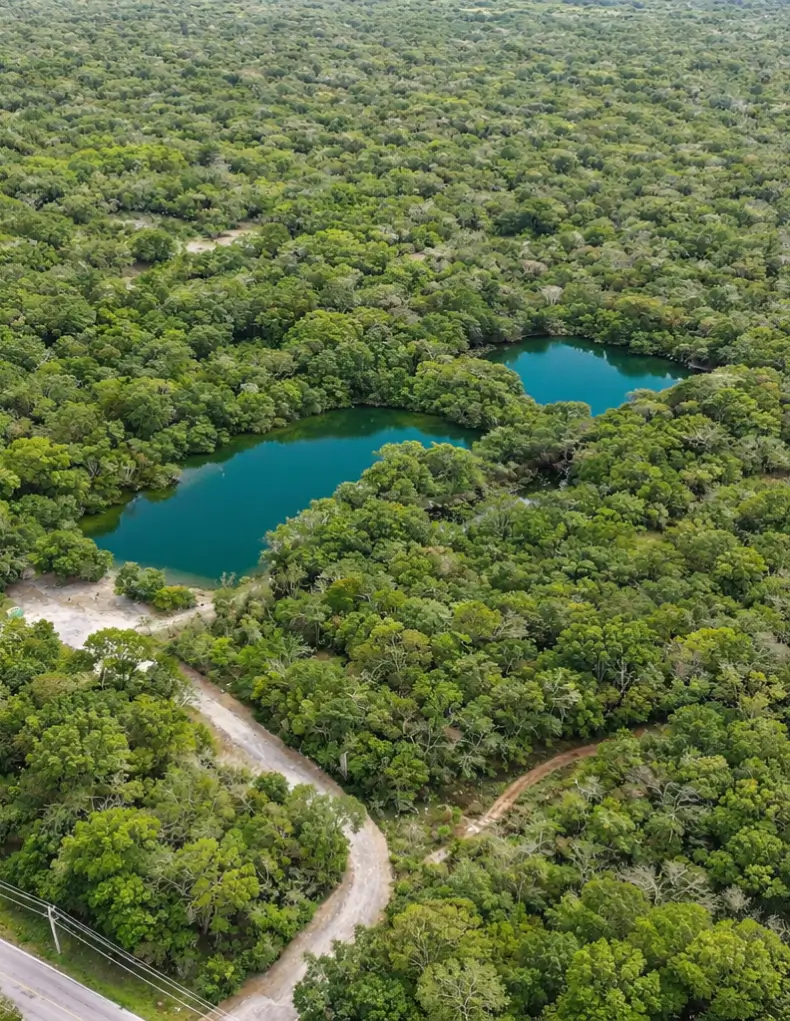
In the Pork Meat Business, we also maintained active participation in collaborative initiatives, strengthening relationships with research centers such as Universidad Autónoma de Yucatán and UNAM. These efforts aim to promote technical and innovative solutions to address local water challenges and support responsible water management.

Looking ahead, we will continue strengthening our water management through the consolidation of operational controls, technical upgrades to treatment systems, and coordinated efforts with authorities, with the aim of anticipating risks, ensuring regulatory compliance, and advancing toward increasingly robust, efficient, and sustainable water management.
Visión y estrategia de Sostenibilidad
Key Actions 2025
Regulatory Compliance
Robust controls and monitoring to ensure compliance with applicable regulations.
innovation
Progress toward compliance with NOM-001-SEMARNAT-2021 through pilot testing of new technologies.
Water Efficiency
Promoting reuse, recirculation, and rainwater harvesting to optimize water use.
Long-term Vision
Establishing a solid foundation for resilient water management.
We manage energy consumption and GHG emissions associated with our operations through
initiatives focused on energy efficiency, emissions reduction, and the continuous improvement of
our processes.
Gestión ambiental
Energy and Emissions
Management
GRI 3-3: energy management and renewable energy,
GHGs emissions management, 302-1,
302-2, 302-3, SASB TR-AP-130a.1
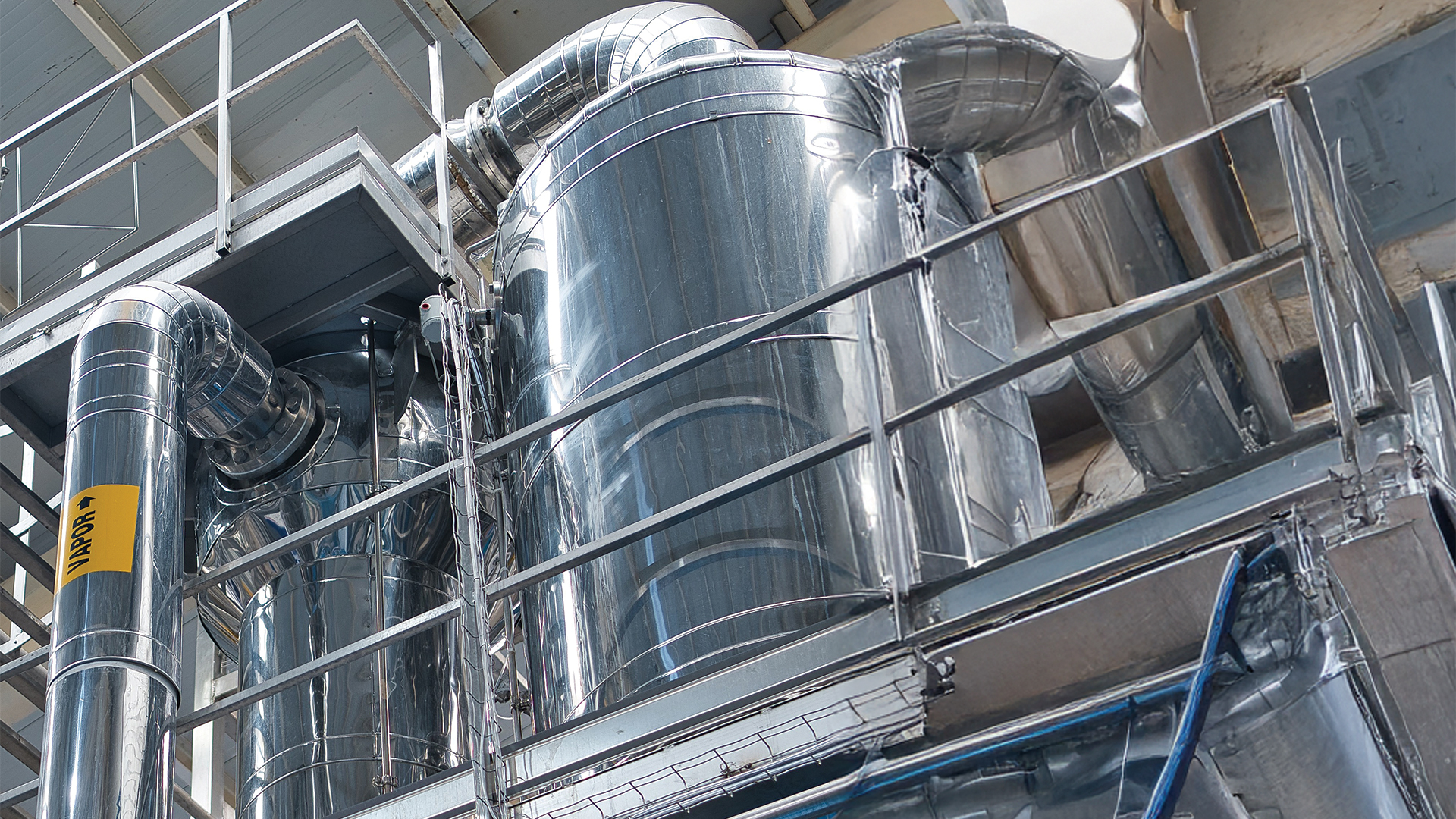
We recognize that our energy footprint extends throughout the value chain; therefore, we promote collaboration with suppliers and research centers to drive the adoption of best practices and technological solutions that help reduce energy consumption and GHG emissions.

Additionally, we maintain a continuous record of energy consumption, which allows us to identify areas for improvement and track performance based on reliable data. This monitoring facilitates the implementation of mitigation and prevention measures aimed at reducing our carbon footprint and strengthening our operations to make them increasingly sustainable.
Key Initiatives by Business Unit
Pork Meat
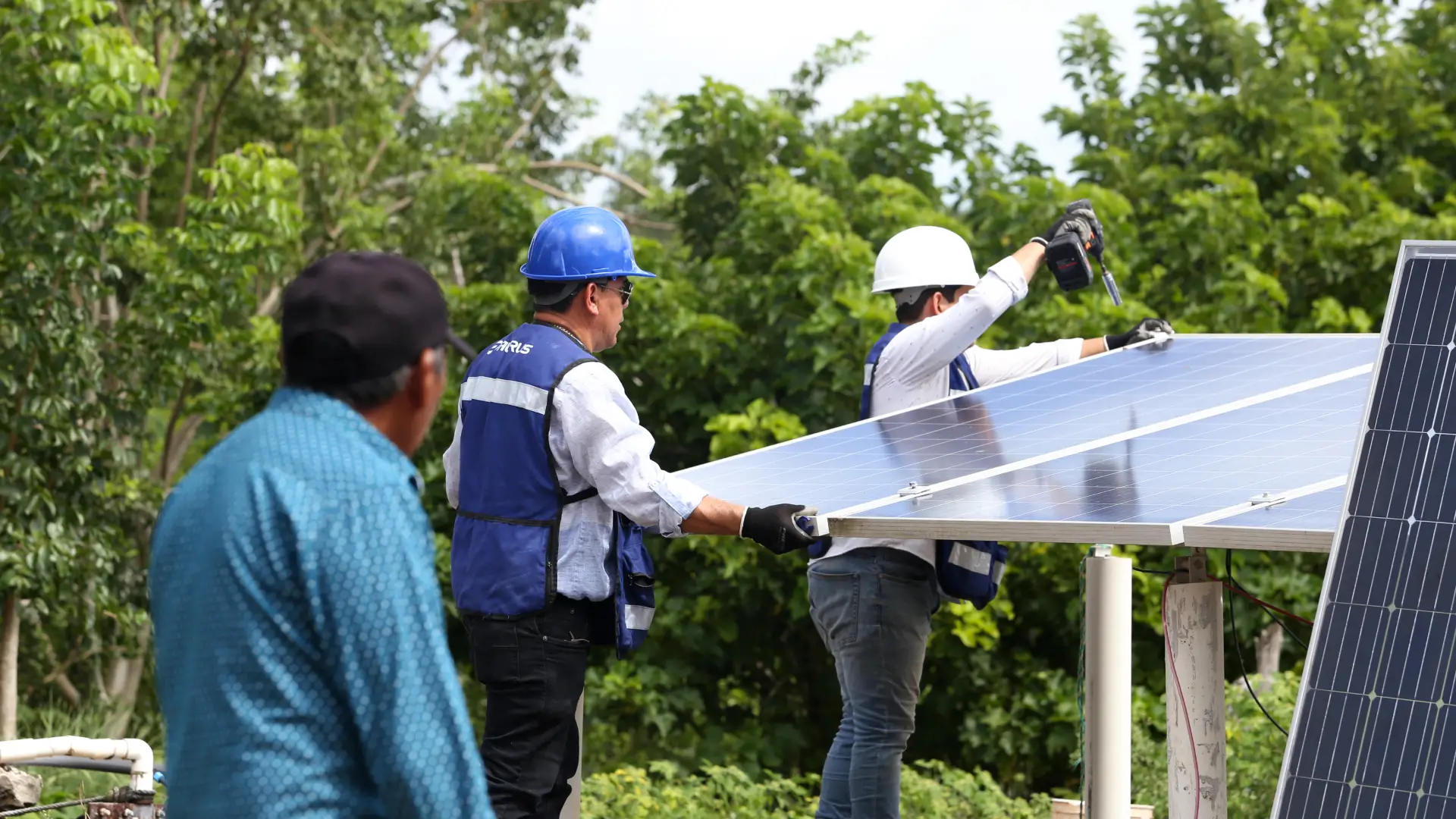
Evaluation and implementation of renewable energy solutions, such as photovoltaic systems.

Use of biogas generated during processes for power generation.
polymers
Implementation of energy efficiency plans, with reductions in the consumption of natural gas, electricity, and steam.

Installation of fixed and automatic capacitors in various electrical networks to optimize energy performance.

Collection of 162 metric tons of post-consumer polystyrene, which were incorporated into the production process as raw material, preventing the emission of 544 metric tons of CO₂ equivalent through waste valorization.
TRANSMISSIONS
Development and implementation of preventive maintenance programs for electrical systems.

Investments in monitoring equipment for the continuous tracking of energy consumption.

Generation of key data to support future optimization projects.
Gestión ambiental planta
This process is supported by internal control systems, training programs, and collaboration with authorized vendors for handling, transportation, and final disposal, ensuring responsible and traceable practices throughout the value chain.
Gestión ambiental planta
Waste Management
GRI 3-3 Waste management, 306-2.
We apply a comprehensive approach to waste management, prioritizing the proper identification, sorting, traceability, and disposal of waste according to its nature, including hazardous waste, special-handling waste, and recyclable materials.
As part of this approach, we promote waste minimization at the source, optimization of production processes, and—where feasible—the reuse and recovery of materials, in full compliance with applicable environmental regulations and internal guidelines. These actions contribute to reducing environmental and operational risks, while strengthening control and transparency in waste management.
Waste Management Initiatives by Sector
CONSUMER SECTOR
• Food and processing facilities operate under an environmental management system aligned with ISO 14001, incorporating waste reduction goals.
• In 2025, there was an increase in value creation, linked to higher production volumes and the generation of by-products.
• By-products were reintegrated into internal processes, reducing the volume of waste sent for disposal.
INDUSTRIAL SECTOR
• Active post-consumer polystyrene collection program in Mexico City, Puebla, and Tlaxcala, enabling reintegration into the production chain.
• Implementation of the “Resi Recicla” program, through which volunteers trained more than 500 children on how to sort and properly dispose of plastics.
• Installation of recycling stations at an elementary school in Tlaxcala.
Gestión ambiental páneles