GRI 3-3: Talent attraction and retention, 2-7, 2-8, 201-3,401-1, 401-2, 401-3, 405-1
Labor relations with our employees are based on KUO's core values, which guide us toward productive well-being work environments promoting value creation, leadership, innovation and collaborative work.
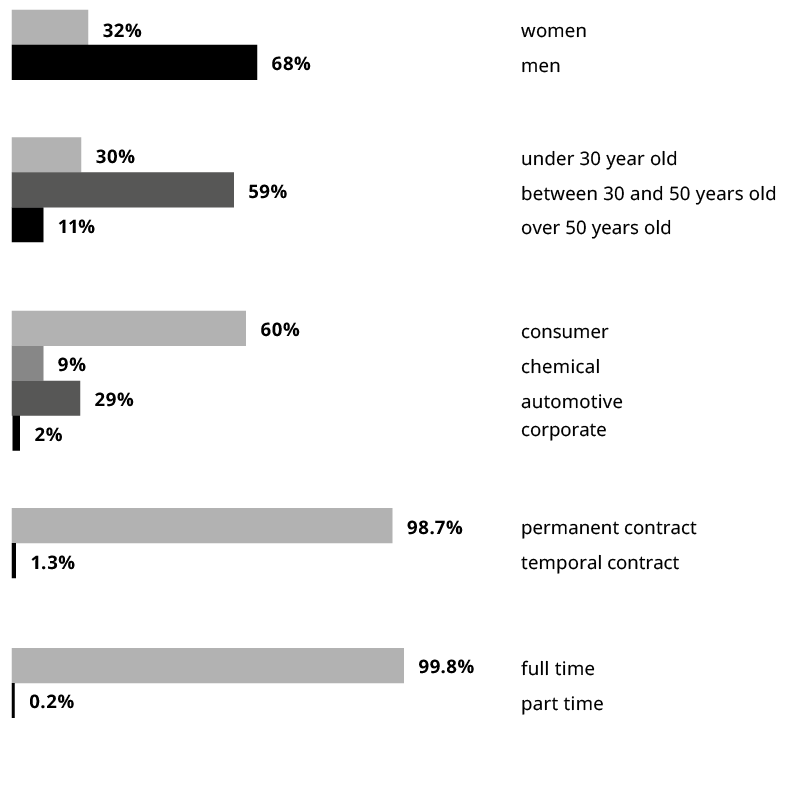
+14,900
employees
We design and implement Human Capital strategies impacting the performance and culture of the organization, likewise, we encourage leaders to manage talent, achieving job fulfillment and value generation.
To achieve this purpose, we have implemented a management system that establishes, regulates and develops the aspects that constitute labor management. This includes roles and responsibilities, workday type, compensation competitiveness, institutional and informal recognitions, development of technical and organizational competencies, among others; continuously adapting them to the business needs. All this is aimed at attracting, retaining, and developing the best talent.
We manage our workforce processes with a comprehensive approach, supported by several key tools. The Labor Operational Plan sets goals and strategies to optimize team performance. Additionally, the Internal Work Regulations and Code of Conduct ensure a fair and ethical work environment. The Labor Procedures Manual provides clarity on internal processes. The Talent Identification and Hiring Policy ensures the selection of the best candidates. Annual Development and Training Plans promote the professional growth of our employees.
The Annual Performance Management Program continuously evaluates and improves individual performance. Furthermore, the Succession Plan ensures a smooth transition in key roles. The Labor Thermometer and work-life balance campaigns promote well-being and job satisfaction throughout the organization.
Management is evaluated through indicators such as employee satisfaction, productivity, and compliance with the collective contract, among others. These data guide the implementation of continuous improvements aligned with the specific objectives and goals of each business area.
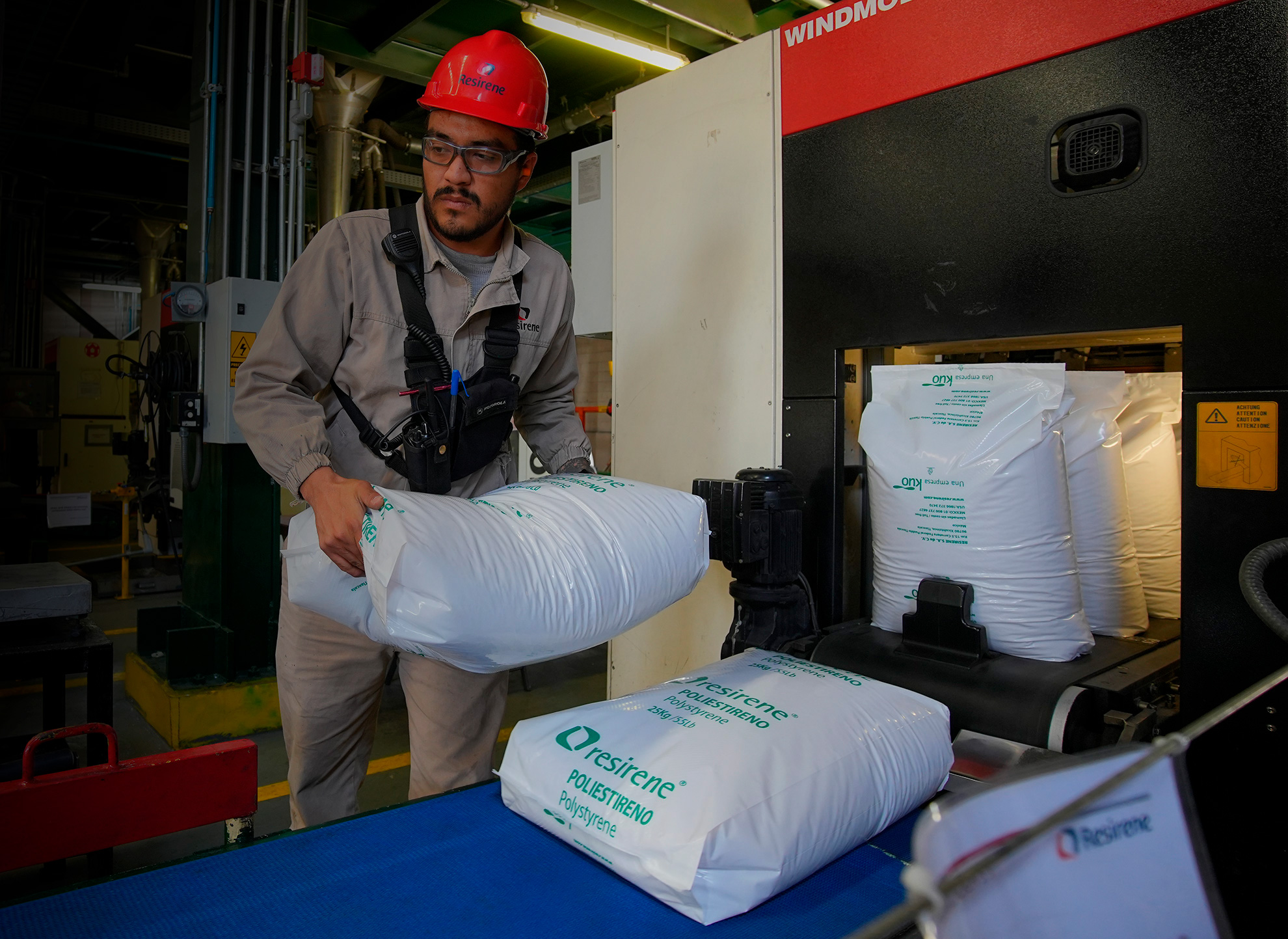
BENEFITS
HUMAN RIGHTS
GRI 2-30, 402-1, 406-1, 407-1,408-1, 409-1, 13.15.5
56.8%
employees covered by
collective bargaining
agreements.
TRAINING
GRI 404-1, 404-2
According to our philosophy and supported by our performance management and development processes, we are committed to promoting the constant development of skills in an equitable manner, favoring the continuous improvement of our employees' competencies in order to achieve the expected results.
Based on the identification of development through continuous performance management of employees, we provide training that prepares them to face their functions with more and better capabilities. Our learning approach covers a range of organizational, leadership and management competencies, as well as specific specialties for each business, both on-site and digitally, thus guaranteeing their professional and workforce development.
During 2023, more than 515,000 hours of training were delivered, an increase of 72% compared to the previous year. The average number of training hours per employee was 34.6, a 78% increase compared to 2022.
In the Pork Meat business, we implemented comprehensive training programs focused on regulatory compliance, risk identification, ethics, and occupational safety, as well as respectful leadership, team alignment, life purpose, positive emotions, and assertive communication. In addition, we conduct awareness workshops on labor inclusion, safety, and the environment.
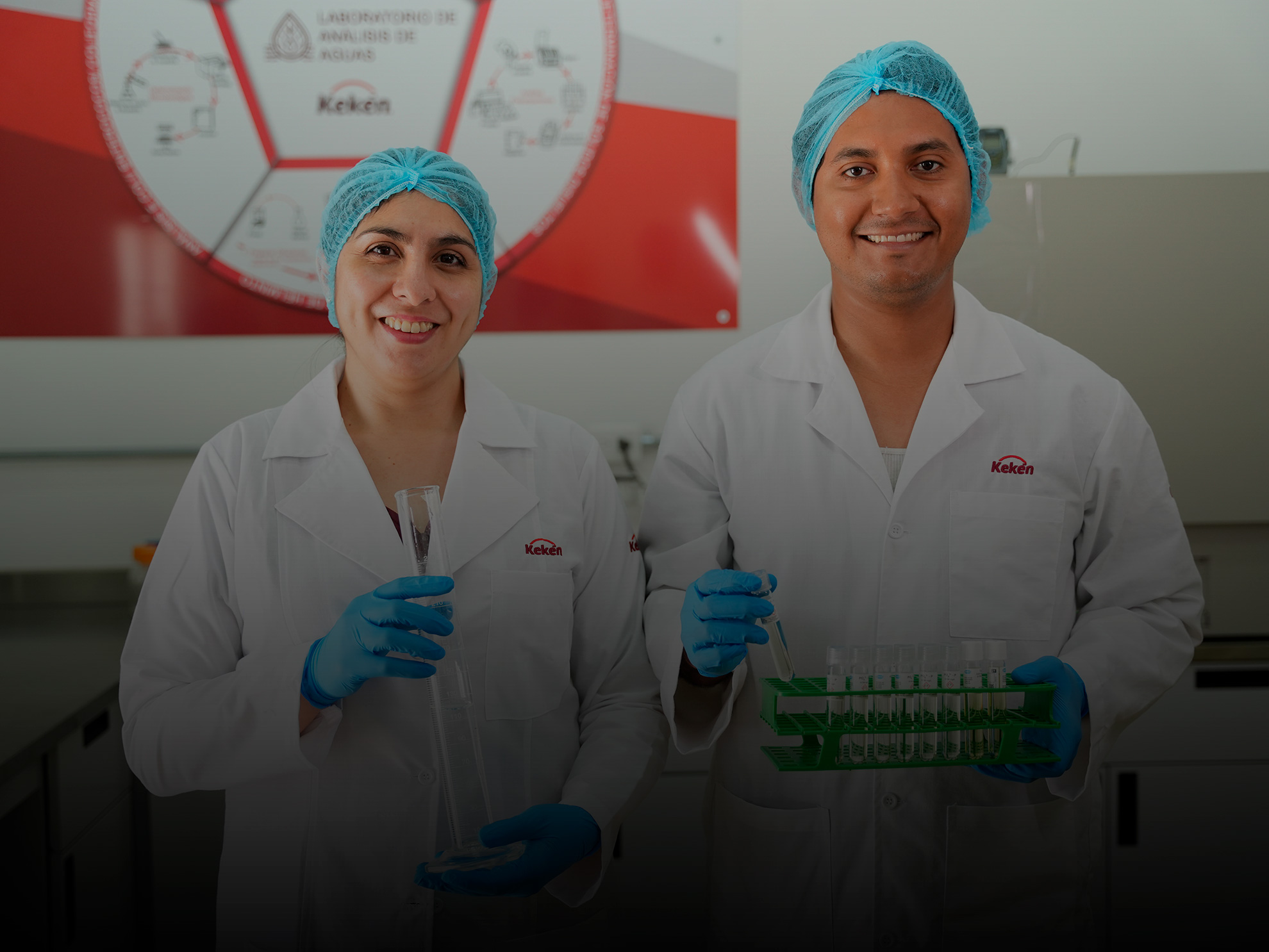
In the Chemical sector, we offer training that covers a wide range of topics and skills. These include training in the use of laboratory equipment and machinery, seminars on accelerated skills development, diploma courses in circular economy, as well as leadership and management programs focused on performance standards and customer satisfaction. Specific courses, such as colorimetry and Lean Safety, are also provided to ensure safety and efficiency in the workplace.
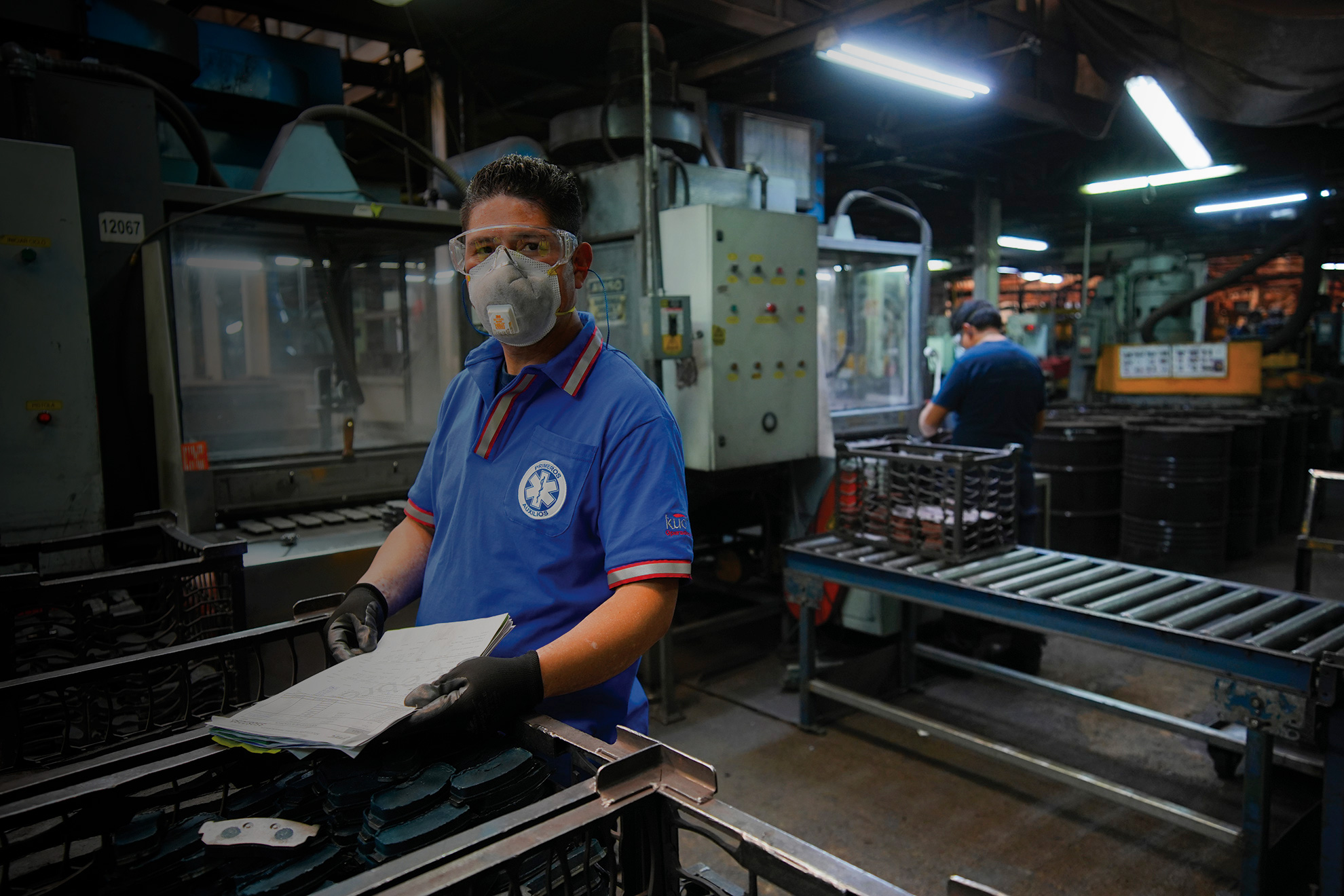
In the Automotive sector, a variety of programs areoffered including technical training such as CPIM, specific programs related toworkplace safety, diversity, and inclusion, as well as Core Tools training andspecific customer requirements to ensure quality and efficiency in automotiveproduction. In addition, we offer academic refresher programs such as the IPADEContinuity and Refresher Program, and sessions on change management, financefor non-financiers, and leadership initiatives such as the Leaders program andthe Strategic Market Focus Program.

PERFORMANCE EVALUATION
GRI 404-3
Every year, our leaders define their objectives and continuously monitor the performance of our employees, focusing on their individual contributions and business results.
Leaders frequently provide feedback to their employees in order to manage results and how to achieve them, encouraging expected behaviors aligned with KUO's values.
Every year, we conduct periodic evaluations to monitor the performance of our employees, allowing us to manage human capital needs more effectively and align the objectives of the entire workforce with KUO's strategy. Over the past year, we evaluated the performance of 90% of our employees. During the last year, we evaluated the performance of 90% of our employees.
COMPENSATION
GRI 2-19, 2-20
At KUO, we have policies designed to ensure fair compensation based on both corporate and business-specific strategy.
The compensation of the Managing Director and other executives is based on an analysis prepared by the Human Capital area, submitted to the scrutiny of the Corporate Practices Committee, and approved by the Board of Directors, in accordance with the corresponding policies. The process involves internationally recognized remuneration consultants, who take as a reference the behavior of the salary market for this segment.
In relation to the other employees, the base salary is established according to internal tabulators and is adjusted according to the evaluation level assigned to each position. In addition, short- and long-term variable compensation schemes are implemented to recognize and achieve the permanence of key workforce.
It is important to note that compensation is closelyaligned to the individual results of each employee and reflects the results andfinancial situation of the business. We make sure to address crucial aspectssuch as financials, sustainability and accountability in the operatingenvironments.
Measures to ensure a respectable living wage
GRI 13.21.1, 13.21.2, 13.21.3
A respectable living wage provides stability and economic security for all our employees and their families. It also fosters loyalty and commitment, which in turn can contribute to higher employee retention, productivity, and job quality, reducing attrition and the costs associated with training new employees.
In the Pork Meat business, we are committed to ensuring that our employees receive a fair and respectable living wage, according to their responsibilities and the local labor market. To achieve this, we rely on specialized studies conducted by national and international consulting firms, as well as Hay Group's job evaluation methodology. In addition, we keep a constant watch on the market through our "Golden" initiative, which provides us with the latest information on the labor market. Our approach is based on two key indicators: external pay competitiveness and internal pay equity, ensuring that our team is compensated fairly and competitively.
OCCUPATIONAL SAFETY AND HEALTH
GRI 3-3: Occupational health, safety and welfare, 403-1, 403-2, 403-3, 403-4, 403-5, 403-6,403-7, 403-8, 403-9, 403-10
SASB FB-MP-320a.1, FB-MP-320a.2 RT-CH-320a.1,RT-CH-320a.2, RT-CH-540a.1., RT-CH-540a.2
In compliance with our Code of Conduct and Social Responsibility Policy, we are committed to maintaining our operating facilities with the highest safety standards.
We operate in strict compliance with the applicable legal and regulatory framework, incorporating the best occupational health and safety practices in all our processes. The Occupational Safety and Health Policy establishes clear guidelines to protect our employees, prevent injuries, and ensure safety in every phase of our operations.
Recognizing the risks inherent in certain processes, we maintain a preventive and "zero tolerance" stance toward unsafe behavior and attitudes. To achieve this, we rigorously implement and execute the guidelines of our Occupational Safety and Health System, which covers everything from risk identification to the implementation of corrective and control measures. This system seeks to ensure full coverage for all our employees, contractors, and visitors. In addition, our Psychosocial Risk Factor Prevention Policy provides an essential framework for mitigating risks and promoting a healthy and conducive work environment throughout our organization.
Identification and Management of Health and Safety Risks
Health Services and Promotion
Communication and Occupational Health and Safety Committees
Occupational Health and Safety Training
Occupational Accidents