GRI 3-3: Community socio-economic development, 203-1, 203-2, 413-1,413-2
13.13.1, 13.13.2, 13.13.3, 13.14.1, 13.14.2, 13.14.3,13.14.4
RT-CH-210a.1

Guided by our Social Responsibility Policy and our Code of Conduct, all our operations are subject to a rigorous social impact study, in compliance with the relevant state regulations.
Land and Resources Use Rights
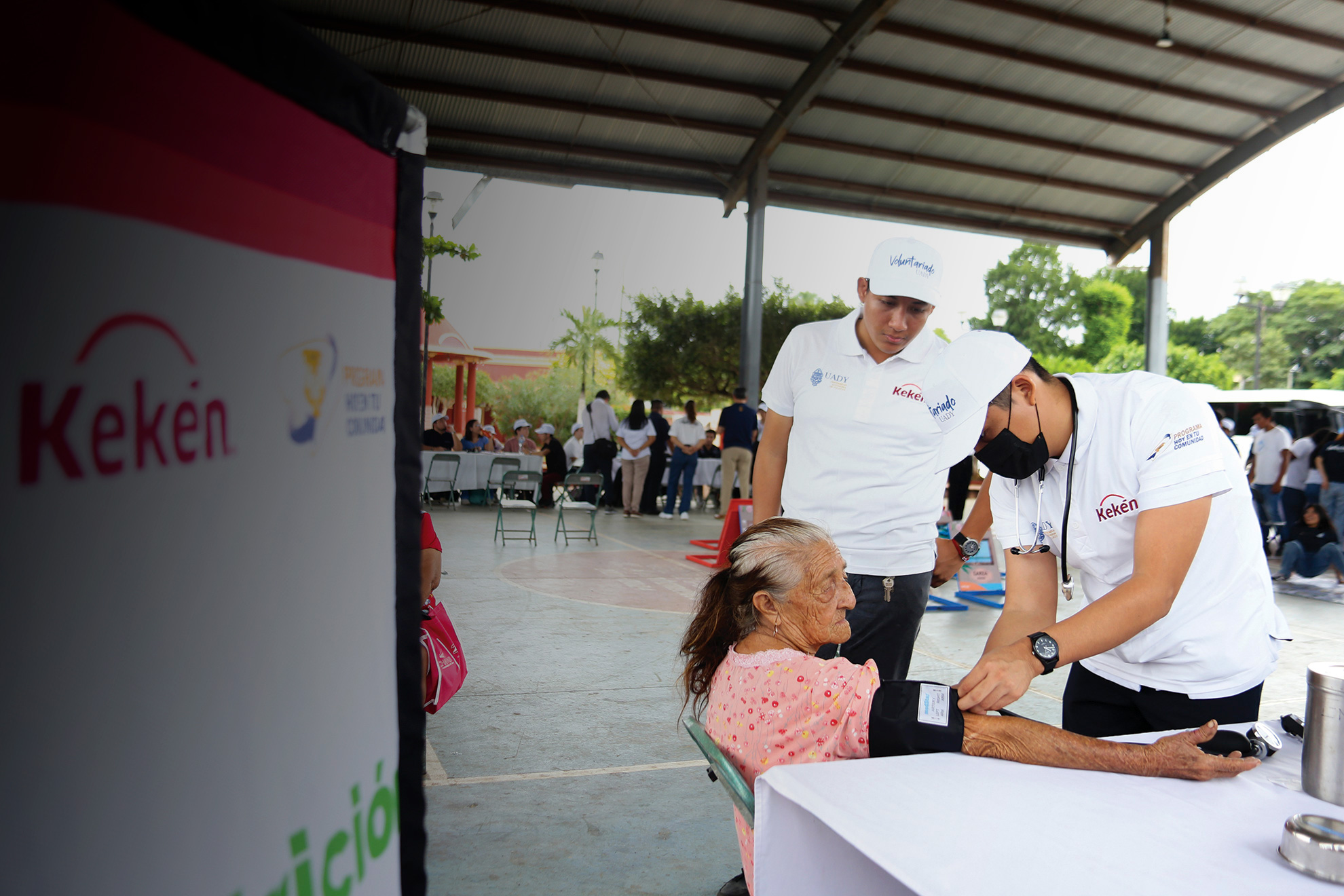
At KUO, we are firmly committed to respecting land and natural resource use rights through various comprehensive mechanisms. We actively participate in the Intermunicipal Biocultural Gasket of the Puuc (JIBIOPUUC), which is responsible for safeguarding the biocultural heritage and promoting the restoration and sustainable use of environmental services in the Puuc Region. In addition, our relationship strategy includes a line of intervention dedicated to the care and preservation of the environment, through the implementation of numerous awareness and sensitization actions on environmental issues in collaboration with various local sectors. This strategy is guided by a cross-cutting indigenous approach that respects local world views and cultural practices. We do not have operations in places where land and natural resource rights may be affected.
Indigenous Community Rights
We are committed to protecting and promoting the rights of indigenous communities living near our operations. To achieve this, we have adopted a cross-cutting human rights approach and a focus on indigenous communities. Our engagement strategy focuses on activities that seek to revalue indigenous culture, language, and customs. For example, we have Mayan-speaking workforce to facilitate communication and relationships with Mayan-speaking indigenous communities. In addition, we organize cultural activities centered on Mayan events and concepts in the region, such as Hanal Pixán or the Indigenous Languages Day. We also offer technical trainings based on local practices, such as cross-stitch embroidery (xoc bichuy), the practice of traditional jarana dance, meliponiculture and backyard farming, where traditional knowledge and modern techniques are shared. In collaboration with local authorities, we establish a calendar of local festivities in which transportation is restricted or modified, thus respecting community uses and customs. We are pleased to report that during 2023 there were no incidents of non-compliance with the rights of indigenous communities.