GRI 3-3: Responsible supply chain management, 2-6, 204-1, 205-2, 308-1, 308-2, 407-1, 408-1, 409-1, 414-1, 414-2
GRI 13.23.1, 13.23.2, 13.23.3, 13.23.4
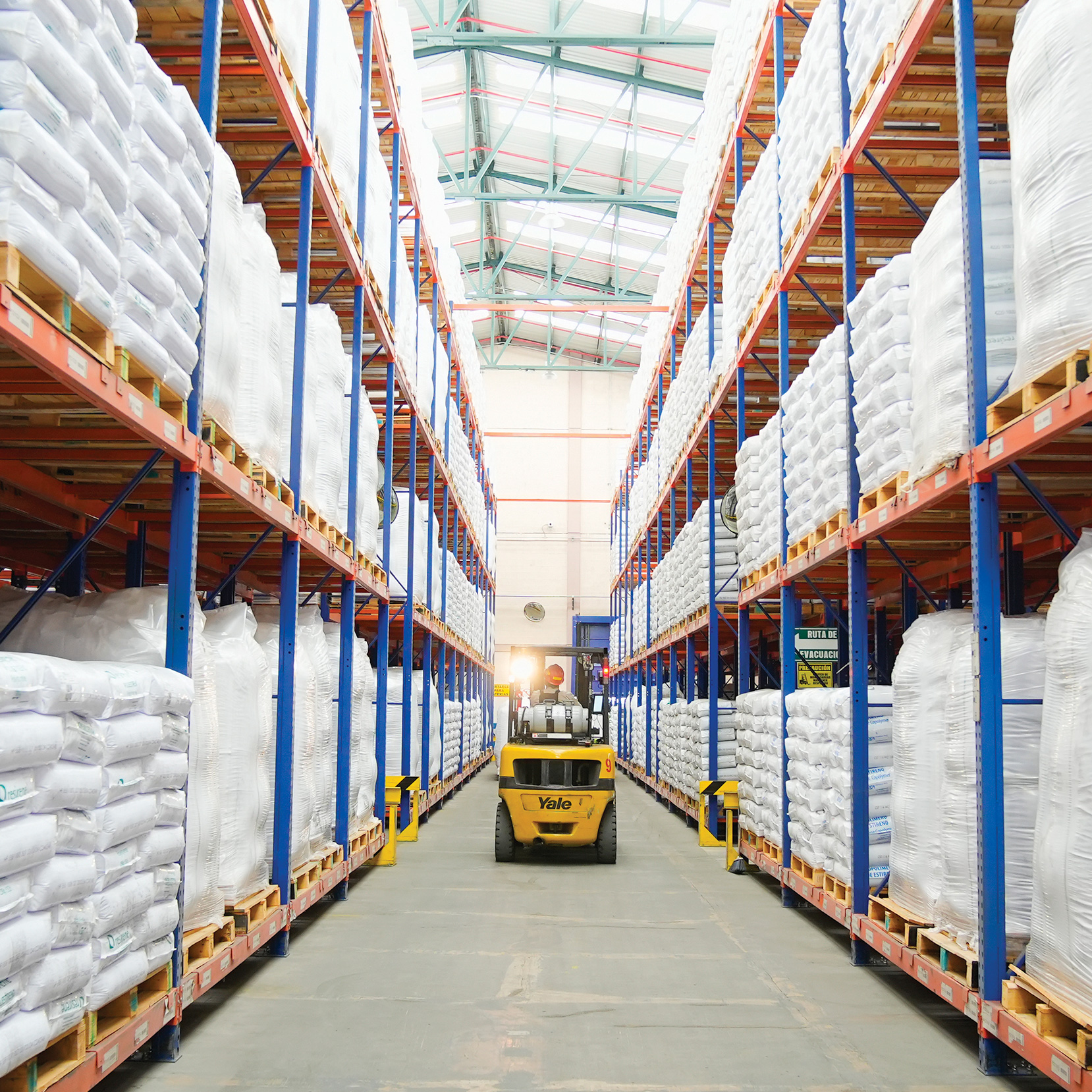
This philosophy enables us to cultivate long-term relationships, which reduces the risks associated with price volatility and contributes to rate stability for our customers.
Pork Meat
SASB FB-MP-410a.3, FB-MP-430a.2, FB-MP-440a.1, FB-MP-440a.2, FB-MP-440a.3
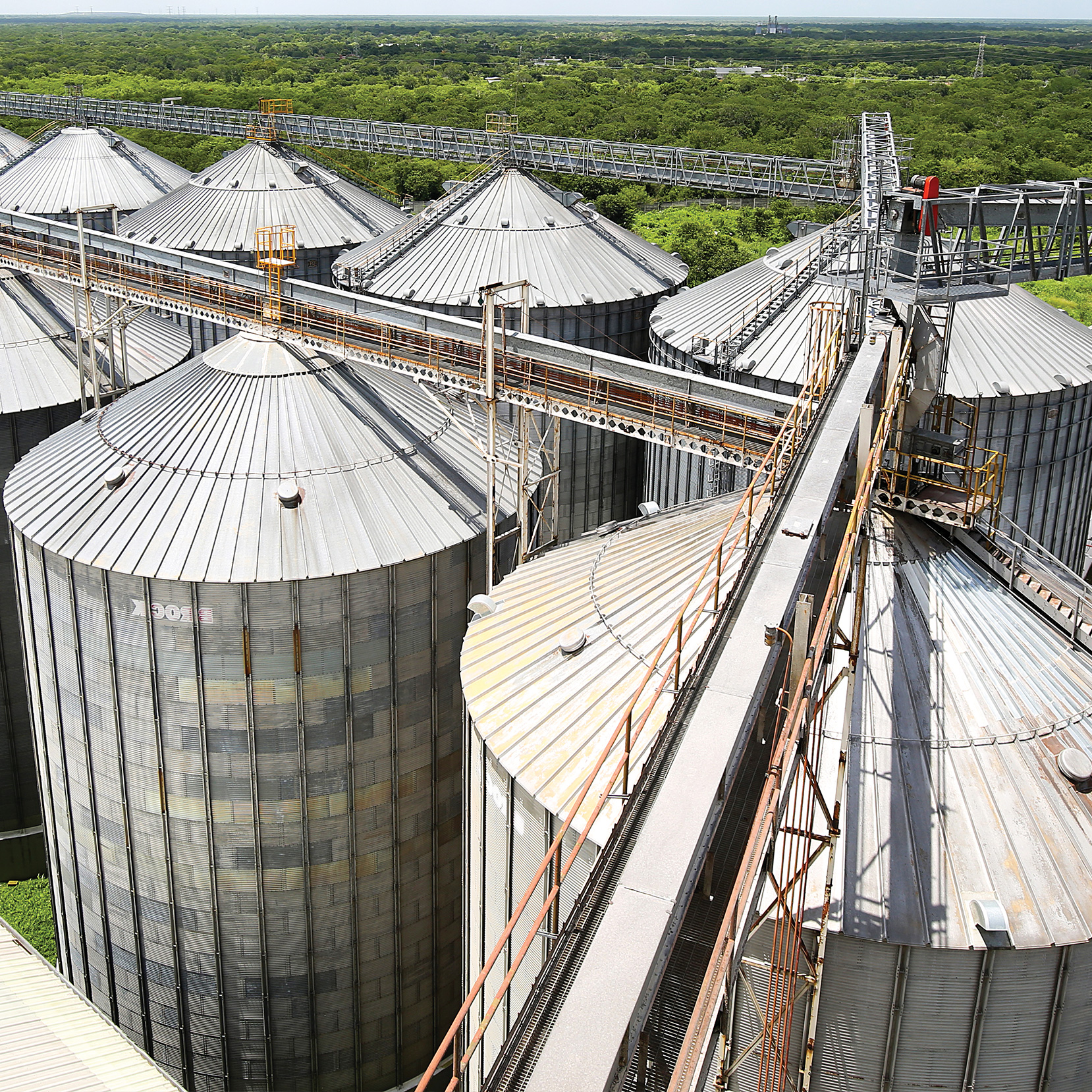
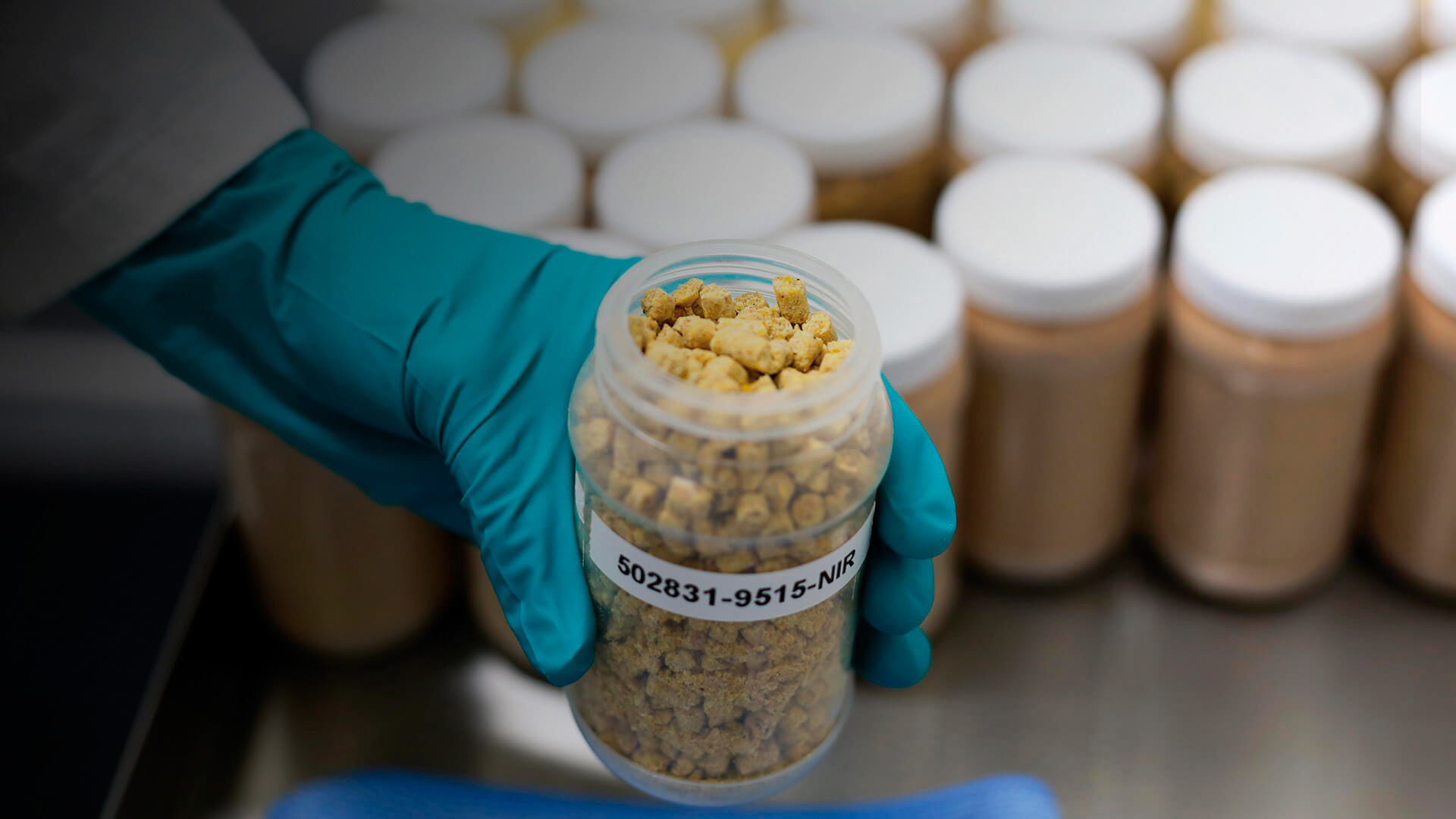
This business is vertically integrated, controlling every stage, from genetics and breeding to processing and marketing. We comprehensively manage the impacts of our supply chain to ensure quality, animal welfare and sustainability at every stage of the process.
Our facilities have been certified by Cloverleaf Animal Welfare, ensuring that we comply with animal welfare standards. Raw materials, such as soybeans and soybean meal, come mainly from the United States, Brazil, and local sources in the YucatanPeninsula, with full transparency about their origin. In addition, in 2023, the feed facility in Hunucmá, Yucatán, obtained ISO 14001:2015 certification, accounting for 37% of feed production.
Synthetic rubber
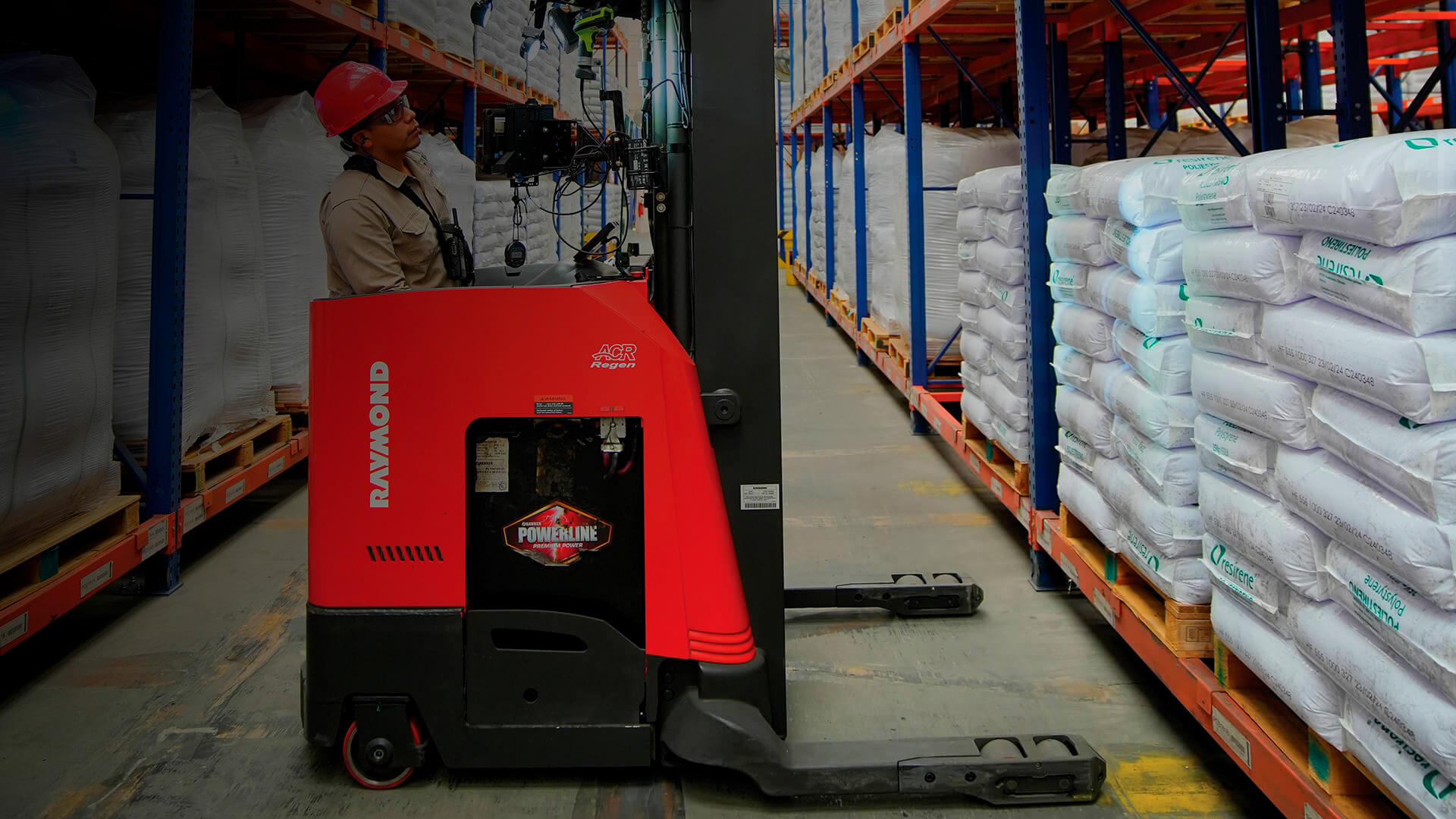
Key raw materials are butadiene and acrylonitrile, from which we manufacture a variety of products, including synthetic rubber in emulsion and solution form, as well as a range of chemical products for various industries such as asphalt modifiers, tires, industrial compounds, and adhesives, among others.
Polymers
In our industry, styrene is an essential input for the manufacture of a wide range of products, including glass polystyrene (GPPS), high-impact polystyrene (HIPS),transparent styrene copolymers (SMMA), and various plastic compounds used in the food, consumer, and home appliance industries, among others. Since most of our raw materials are imported, we have established commercial relationships with a wide network of suppliers located in countries such as the UnitedStates, China, Guatemala, and several European countries. These suppliers provide both raw materials and the logistics and warehousing services necessary to carry out our operations.
Transmissions
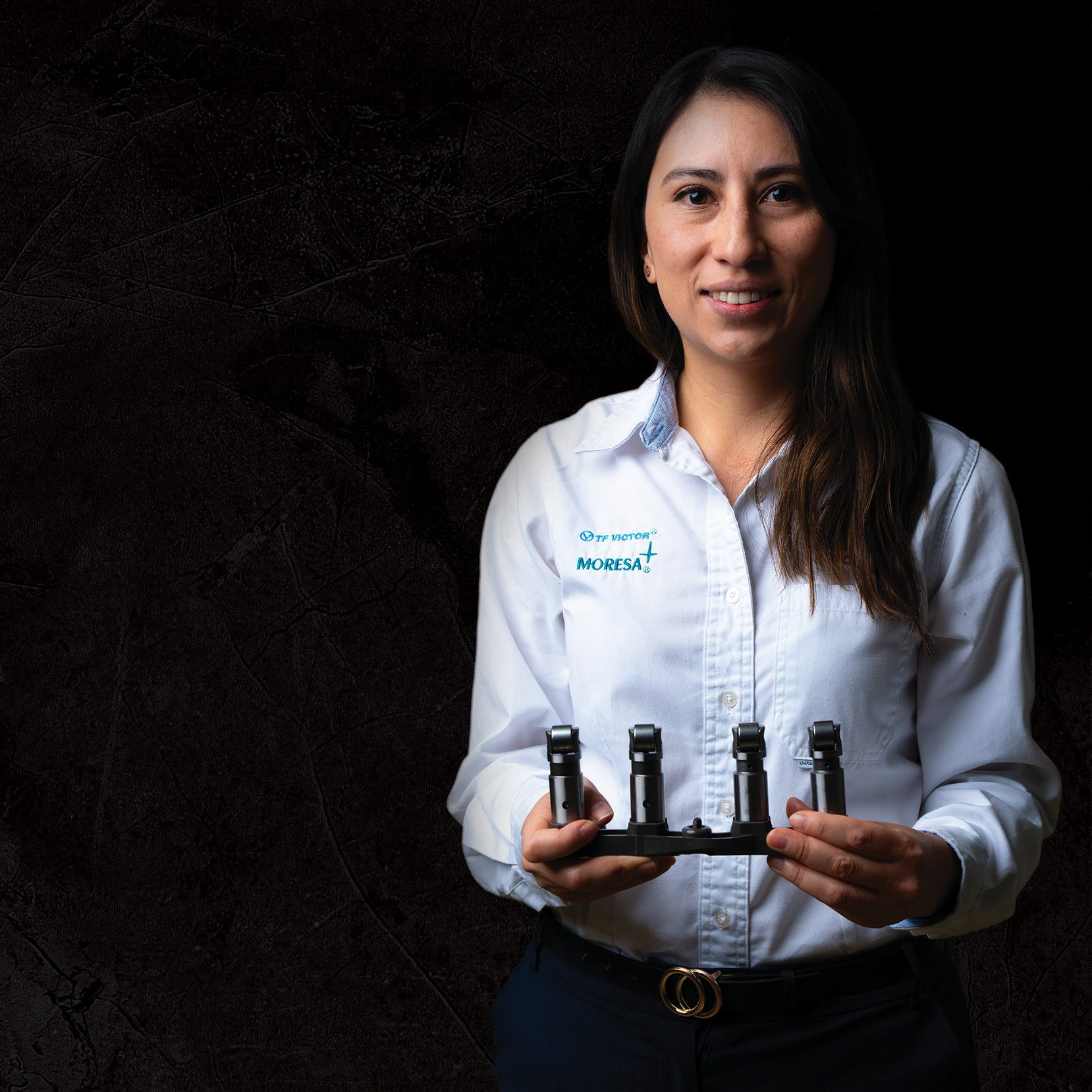
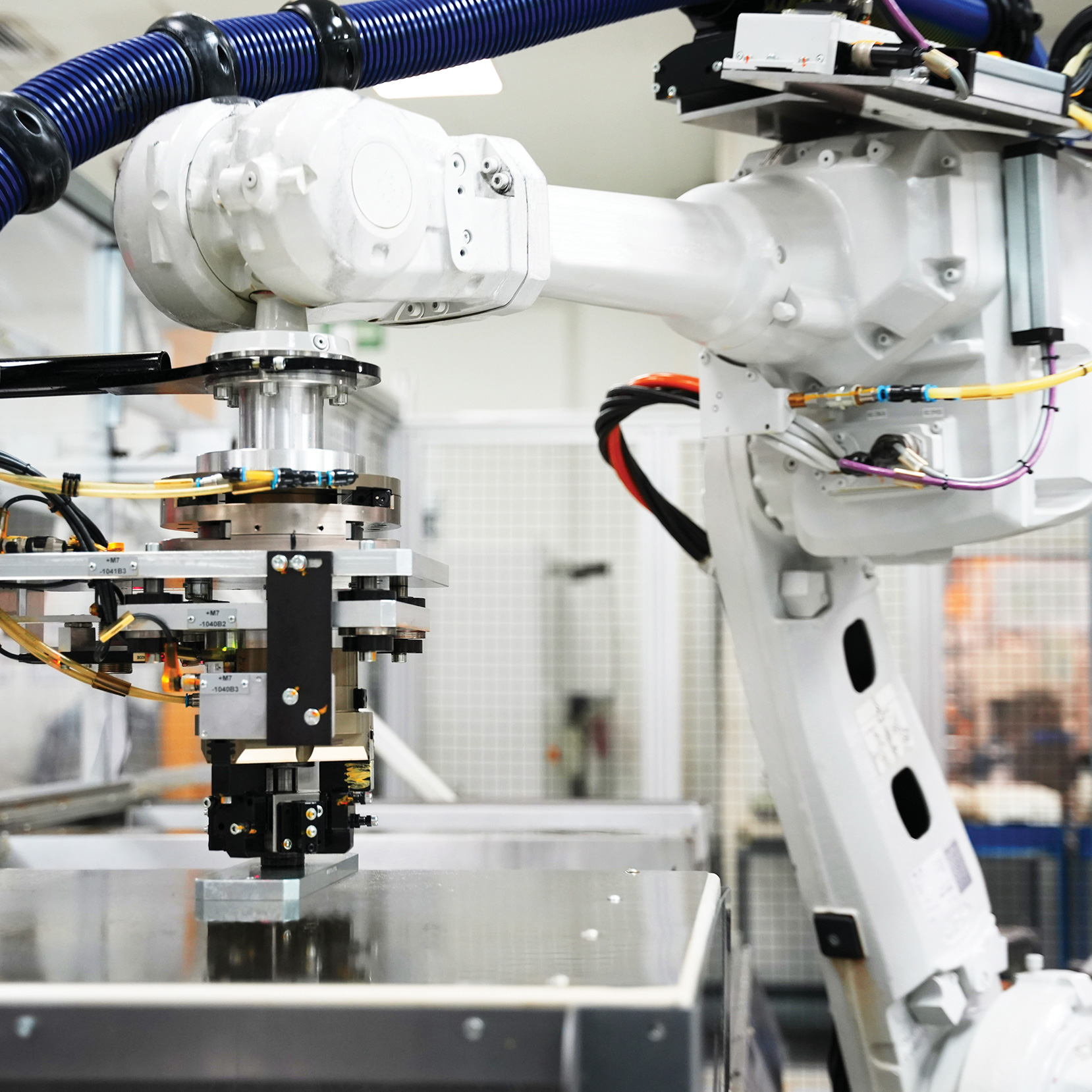
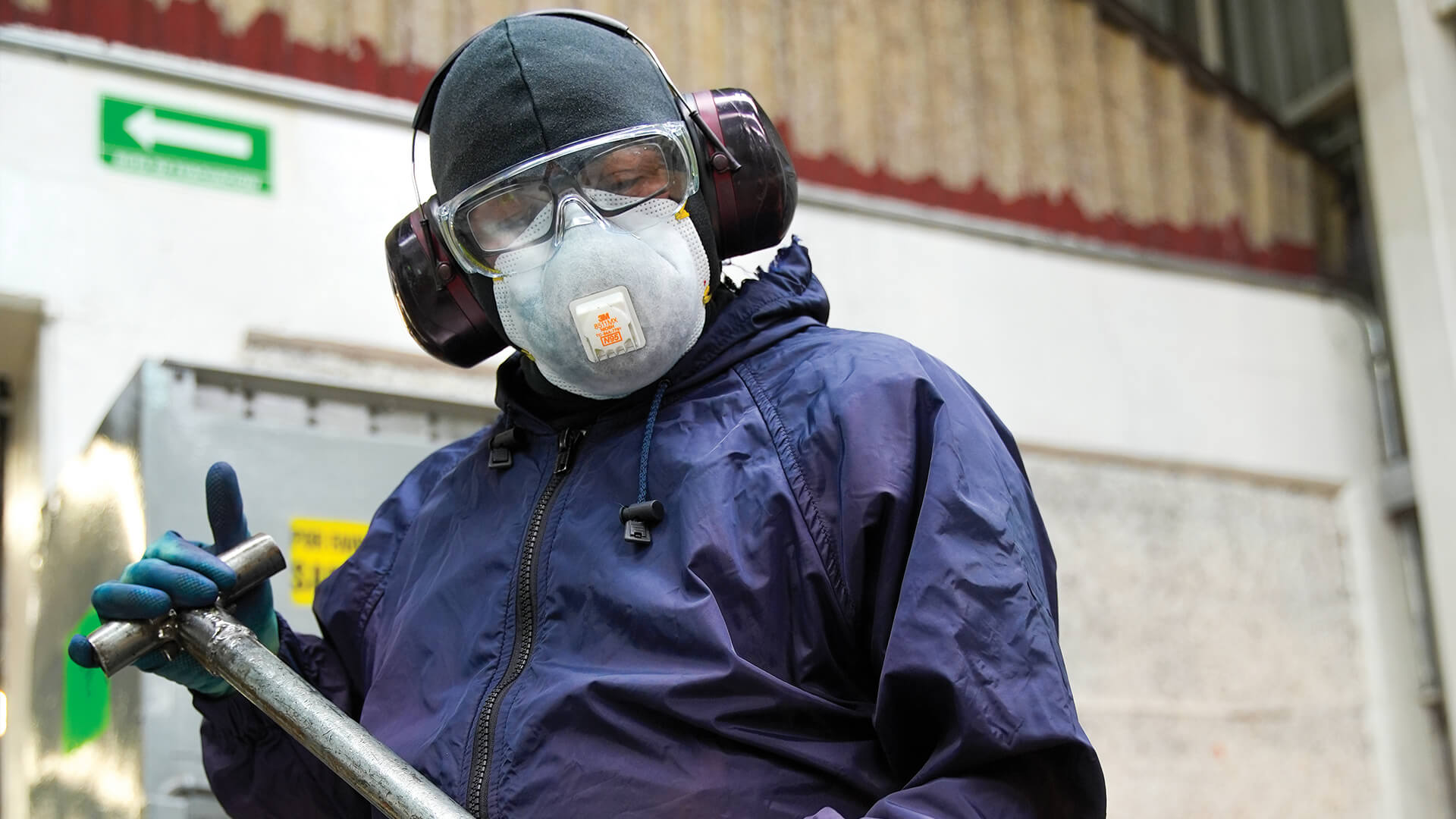
In our high-performance transmissions and components business, the main materials we use are steel and aluminum. These materials are fundamental to ensure the strength, durability, and efficiency of our products.
Aftermarket
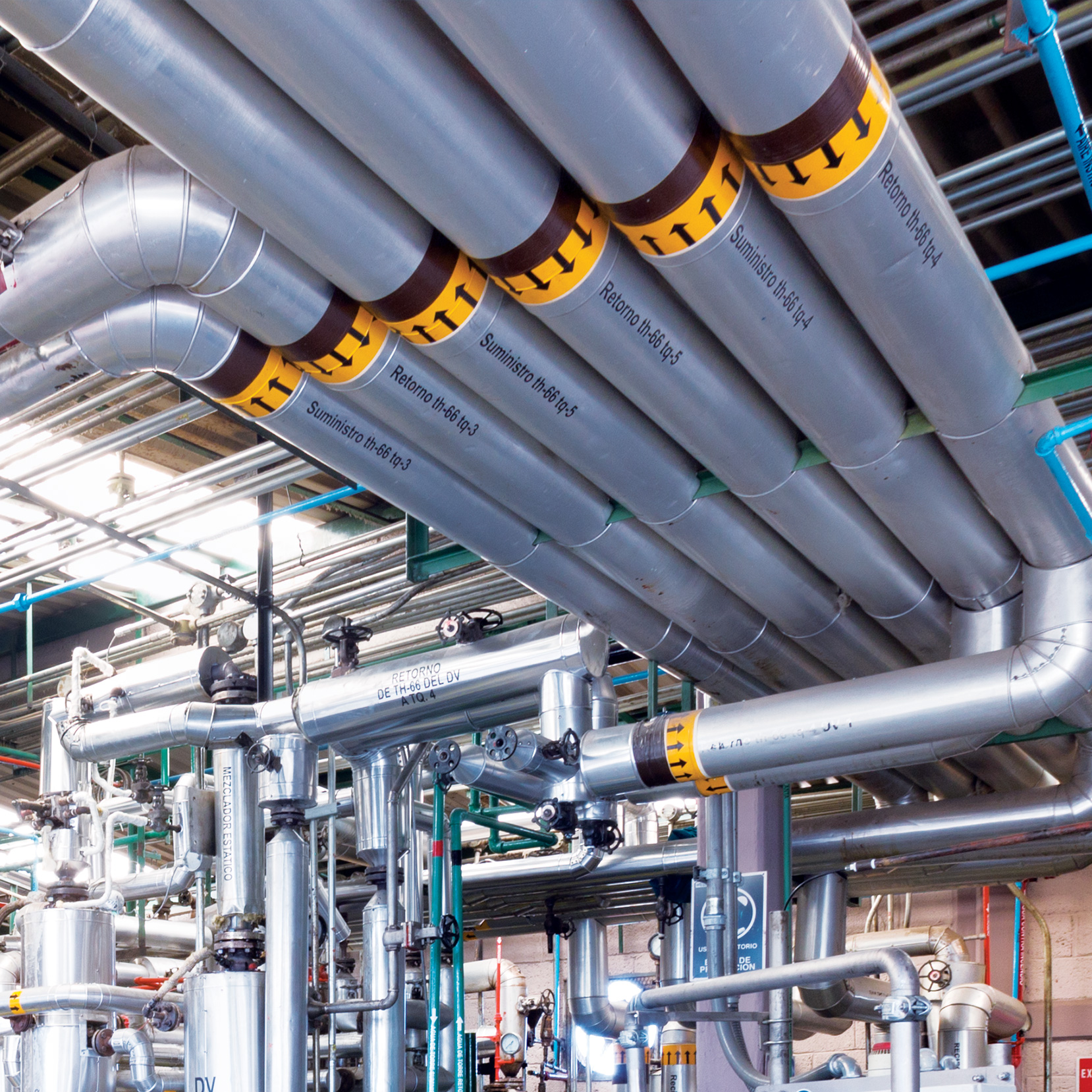
Our operation is based on the use of steel and aluminum as our main raw materials, from which we manufacture a wide variety of products, from pistons and bearings to brakes.To ensure a constant and diversified supply, we work closely with suppliers located in China, Mexico, and Taiwan. These suppliers offer us two types of essential services: supply of goods, providing the necessary raw materials, and supply of services, including domestic and international transportation, maintenance, training, among others.
Environmental and Social Assessment of Suppliers
At KUO, we are committed to maintaining relationships with suppliers who share our ethical values and operate in a responsible manner. All suppliers with whom we partner must accept and sign our Code of Conduct, pledging to behave ethically and comply with the standards contained therein.
We select our suppliers based on ethical, quality, labor, and environmental criteria, ensuring that they have an established reputation and the capacity to deliver the required services or products. In addition, all our new domestic suppliers must adhere to an ESG Compliance Charter, committing to work in accordance with applicable laws and regulations, respect human rights, comply with environmental regulations, and operate under principles of integrity and transparency.
At KUO, we do not make purchases or contract services with suppliers that have a negative track record within our companies, nor with those that do not present the letter of adherence to the Code of Conduct and the ESG Compliance Charter duly signed. Therefore during 2023, all our new suppliers signed the ESG charter and adherence to the Code of Conduct.
Looking ahead, we have set out to identify suppliers certified in sustainable sourcing standards and to conduct audits on environmental or social issues throughout our supply chain. It is important to note that during the current year, we have not identified any suppliers with negative environmental or social impacts, including human rights impacts.